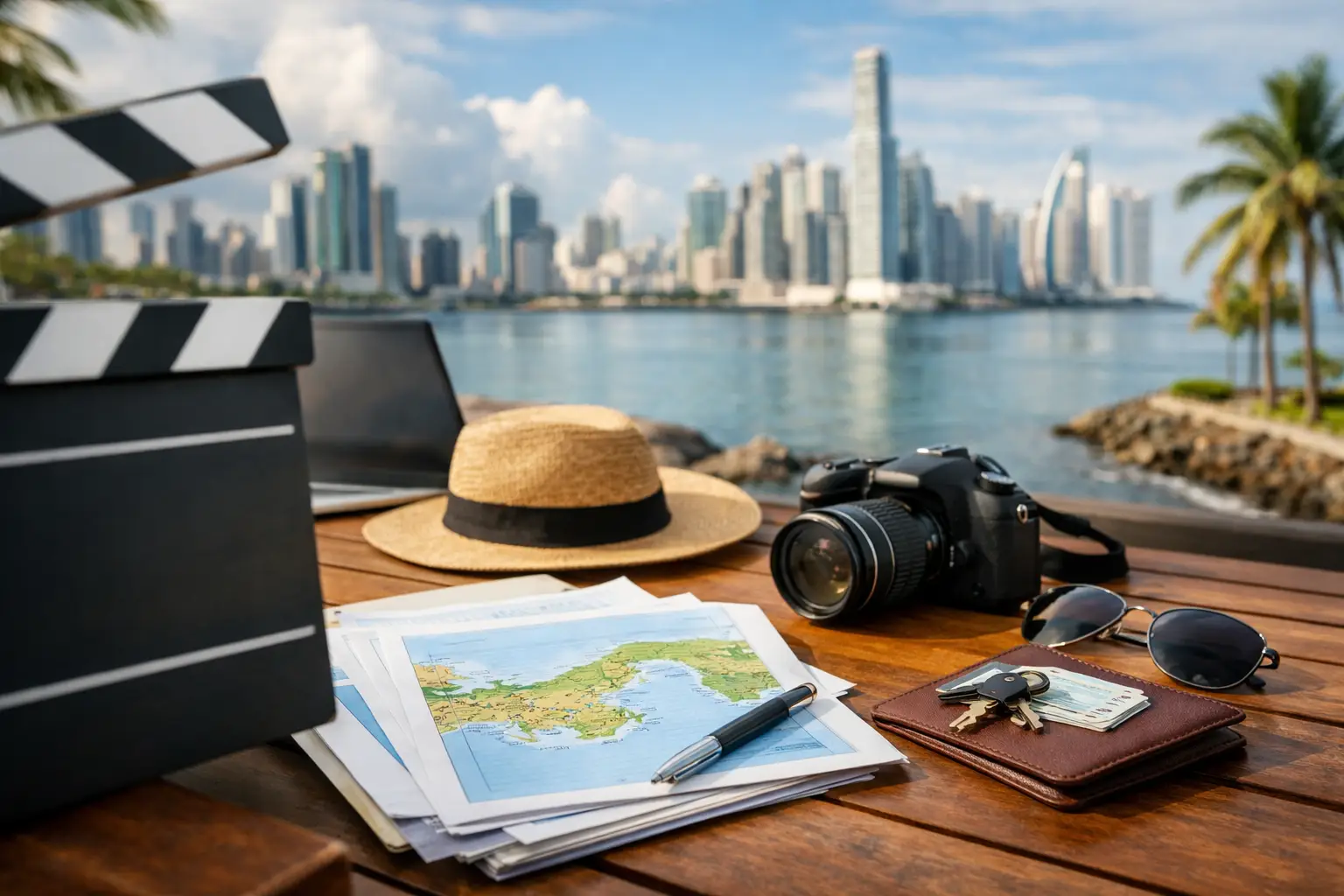
A location that looks perfect on a scout can fall apart fast if the permit path is unclear. That is why understanding Panama location permit requirements early matters as much as budget, crew, or gear. In Panama, permits are generally straightforward, but they are not one-size-fits-all. The approval process changes depending on whether you are filming on public streets, in historic districts, on beaches, in protected areas, at government-controlled sites, or on private property.
For international producers, the real issue is not whether filming is possible. It usually is. The issue is how to secure the right permissions in the right order, with realistic lead times and no surprises once the crew is on the ground. That takes local coordination, because Panama can move quickly when the request is clear, but delays happen when applications are incomplete, the wrong authority is approached, or production impact has been underestimated.
How Panama location permit requirements work
Panama does not operate under a single universal filming permit for every scenario. Instead, approvals are typically handled by the relevant municipality, government agency, site administrator, or private owner. A simple handheld shoot with minimal footprint may require very little beyond property authorization. A commercial production with road control, generators, cast vehicles, drones, police support, or special effects will need a more formal process.
That distinction matters. Producers sometimes assume that once a country is considered film-friendly, permits become automatic. In practice, Panama is accessible, but authorities still want to know what is being filmed, where, when, for how long, and with what operational impact. If your production touches traffic flow, pedestrian access, public safety, protected heritage, or environmental concerns, scrutiny increases.
The good news is that most permit conversations become manageable once the scope is properly packaged. A clear shooting schedule, equipment list, crew count, parking needs, insurance documentation, and site plan go a long way. The more precise the request, the faster the local review tends to be.
Which authority issues the permit depends on the location
This is where many foreign teams lose time. Panama location permit requirements depend heavily on jurisdiction. Filming in Panama City may involve municipal coordination, especially if sidewalks, lanes, public plazas, or other controlled spaces are affected. Historic or culturally sensitive sites may require additional oversight. Beaches, islands, and environmentally protected zones can involve separate entities with different compliance standards.
Private property is often the most direct route, but even then, it is not always just a matter of owner consent. If the shoot involves street control outside the property, amplified sound, drone activity, security management, pyrotechnics, or large technical setups, outside permissions may still apply. That is why location agreements and public permits should be reviewed together rather than treated as separate conversations.
Government buildings, transport hubs, ports, and infrastructure-related sites usually require more lead time and a more formal request package. Security-sensitive locations are possible, but approvals are more selective and less flexible. The same is true for locations tied to national heritage or heavy tourism. They may be filmable, but timing restrictions, access windows, and crew limitations are common.
What producers usually need to submit
Most permit applications in Panama start with the same basic production profile. Authorities or site managers will typically ask for the production company name, local contact, type of project, synopsis or description of the content, exact filming dates, daily call times, and a list of locations requested. They also want to understand the scale of the operation.
That means practical details matter. Expect to provide estimated crew size, talent count, vehicle count, parking requirements, lighting and grip footprint, generator use, catering setup, restroom plan if relevant, and any activity that could affect normal public use of the site. If police support, traffic control, intermittent lockups, street dressing, prop weapons, smoke, or special effects are involved, those elements need to be disclosed from the start.
Insurance is another key factor. Some locations and agencies will ask for proof of production insurance, and certain private sites will not confirm access without liability coverage in place. For larger shoots, risk management documentation may be reviewed closely, especially when rigging, stunts, elevated camera positions, marine activity, or night work are involved.
For foreign productions, it also helps to have local representation handling the paperwork. Authorities want a point person who can respond quickly, attend meetings if needed, and manage changes on the ground. That alone can make the difference between a permit moving forward and a permit sitting unanswered.
Timing is where permit strategy matters most
The biggest mistake is treating permits as an end-of-prep task. In Panama, some permissions can be turned around quickly, especially for low-impact shoots. Others take longer because they require coordination across departments, site inspections, legal review, or scheduling around public use.
If the production is moving through multiple jurisdictions, timing becomes even more sensitive. One delayed approval can affect transport, crew bookings, accommodation, and gear movements across the whole schedule. That is why experienced line producers build the permit track alongside the location plan, not after it.
There is also a trade-off between flexibility and certainty. If you want to hold several options open until the last minute, that may be fine for private spaces with responsive owners. It is less practical when municipal approvals or regulated sites are involved. Those authorities usually want firm dates, defined hours, and a clear footprint. The more your plan changes late, the more you risk restarting the conversation.
Public streets, drones, and protected areas need extra attention
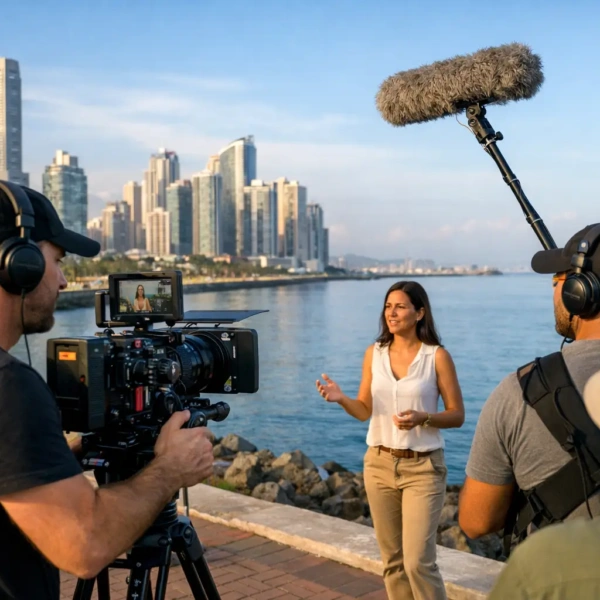
Some of the most attractive production scenarios in Panama also come with the highest permit sensitivity. Street filming in active urban areas may require coordination around traffic management, public notice, police support, or restricted working hours. A lightweight documentary crew can often move differently than a commercial crew running trucks, lights, and multiple setups.
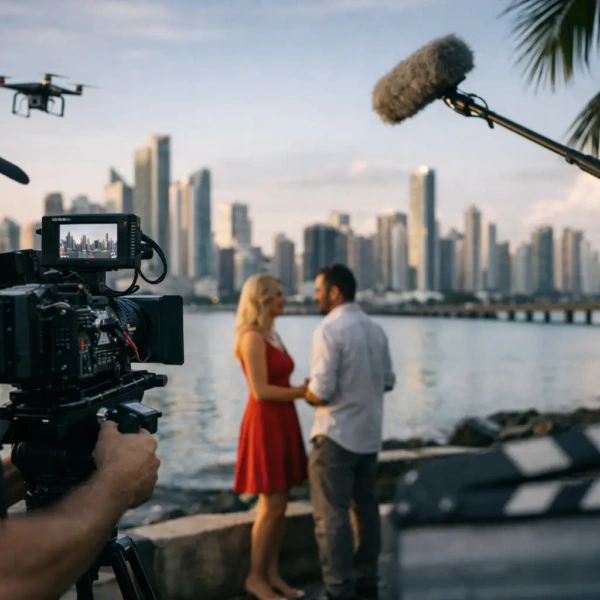
Drone filming is another area where assumptions create problems. A location may be approved for filming, but that does not automatically mean aerial capture is cleared. Drone operations can trigger separate permissions, operational limitations, or airspace restrictions depending on the area. Near dense urban zones, infrastructure, coastal routes, or government-sensitive sites, extra review is common.
Protected natural areas, islands, beaches, and marine environments are also possible for production, but they require a more careful approach. Environmental oversight may affect access, crew size, load-in methods, waste management, and what equipment can be brought in. If your concept depends on heavy setup in a sensitive landscape, expect more questions and less flexibility.
Private locations are simpler, but not always simple
A private villa, hotel, warehouse, or office can reduce bureaucracy, but only if the operational footprint stays contained. Once a production spills into public access areas, affects neighbors, or places unusual demands on the property, the permit conversation expands.
This is especially true for hospitality properties. A resort may welcome filming, but only during approved windows, with strict guest management rules, and with limits on branding exposure or exclusive use of common spaces. An owner may say yes quickly while the operational team says yes with conditions. Both approvals matter.
For commercial shoots, producers should also think about image rights, signage control, and neighborhood logistics. A private location with poor truck access, noise restrictions, or limited holding space can become more expensive than a public site with a clean permit path.
Why local production support changes the process
On paper, Panama location permit requirements can look easy enough to handle remotely. In reality, permit success depends on packaging the request correctly, speaking to the right authority first, and anticipating what each location will flag before it becomes a problem.
That is where a local production partner earns its value. The job is not just sending forms. It is matching creative intent with realistic site access, managing expectations with authorities, preparing the right supporting documents, and protecting the schedule when plans shift. For foreign producers, that translates into fewer missed steps, faster approvals, and a more controlled shoot once the crew lands.
At 40 Grados Producciones, that support typically sits inside a broader production workflow, alongside scouting, logistics, local crewing, and on-the-ground coordination. That matters because permits do not exist in a vacuum. They affect transport plans, equipment movements, call times, police requests, and whether the location will actually function the way it looked on the mood board.
The best permit process is the one that starts before the scout is locked. If you are considering Panama, build the approval path into the location conversation from day one. It is the fastest way to keep a good location from turning into an avoidable production problem.