
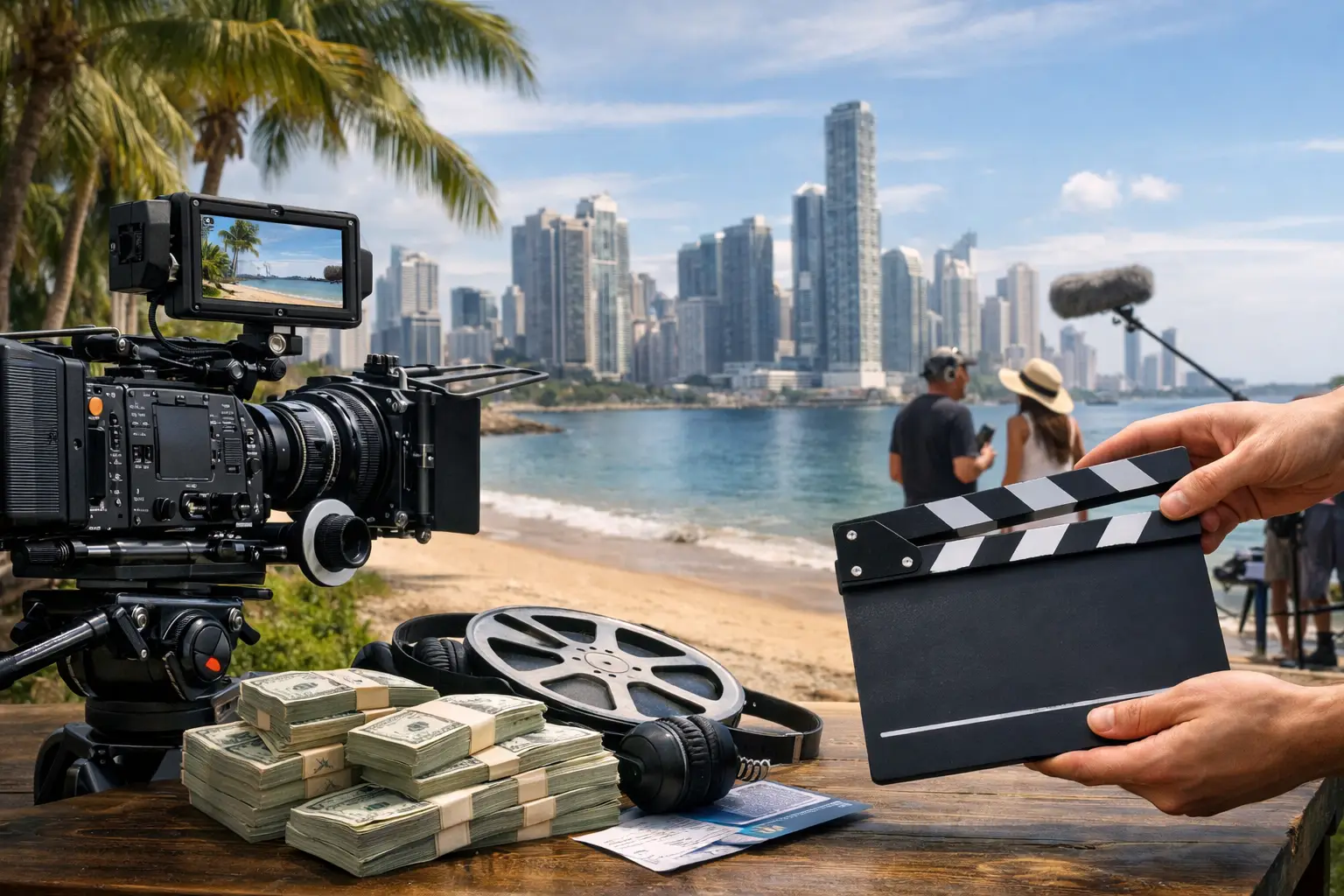
A 25% cash rebate can change the math on a shoot fast, but only if the incentive is understood early and built into the production plan correctly. The Panama filming incentive gets attention for that reason. For international producers, it is not just a line item on a destination pitch. It can materially affect where you base a project, how you structure spending, and how confidently you move from scouting to prep.
Panama stands out because the incentive sits inside a broader production case that already makes sense. You have a US-friendly business environment, strong air access, varied locations within short travel times, experienced bilingual support teams, and production costs that are often lower than larger North American hubs. The rebate matters, but it works best when it is paired with efficient local execution.
How the Panama filming incentive works
At a practical level, the Panama filming incentive is designed to return 25% of qualifying local spend to eligible audiovisual productions. That headline figure is what gets most productions to take a serious look at the country, especially for features, series, non-fiction programming, branded content, and commercials with meaningful in-country spend.
The key phrase, though, is qualifying local spend. Not every production cost is automatically eligible, and not every project structure will fit the requirements in the same way. Producers should look at the incentive as part financial benefit, part compliance process. If the paperwork, vendor structure, and spend tracking are not handled correctly from the start, the rebate can become harder to secure or slower to process.
That is why experienced productions do not treat incentives as an afterthought. They build the incentive into budgeting, legal review, vendor onboarding, payroll planning, and accounting controls before principal photography starts.
Why producers look at Panama in the first place
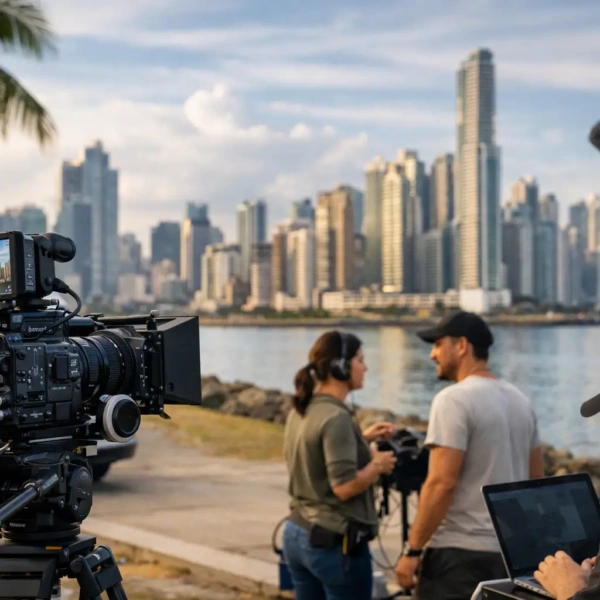
The rebate is strong, but Panama tends to win projects because it solves several production problems at once. A project can move from urban skylines to tropical beaches, rainforest, islands, industrial zones, and colonial architecture without the travel sprawl that often drives up schedule costs elsewhere.
That matters for line producers and production managers. Location variety is valuable, but location efficiency is what keeps a budget on track. In Panama, company moves can be shorter, accommodations can be centralized, and logistics can be easier to control than in larger territories where a multi-look production requires repeated domestic flights.
There is also a practical business advantage. Panama is familiar to international crews, especially US-based teams that need reliable connectivity, established banking infrastructure, professional vendors, and a workable legal framework. When you are evaluating a shooting destination, those factors are not glamorous, but they often decide whether a location remains attractive after the first budget draft.
What types of productions may benefit most
Not every project benefits from the incentive in the same way. A lean documentary or a small branded shoot may still find Panama attractive because of locations and operational ease, but the administrative effort attached to any incentive process has to make financial sense relative to the size of the budget.
Larger productions usually see the clearest upside. Feature films, scripted series, unscripted formats with substantial field production, travel shows, reality programming, and commercial campaigns with significant local hiring and services are often better positioned to make the rebate meaningful.
The deciding factor is not genre alone. It is spend pattern. A project with strong local expenditures on crew, equipment, transportation, lodging, locations, construction, production services, and other eligible categories is typically better suited than a project that brings in most resources from abroad and spends lightly on the ground.
Eligibility is where strategy matters
The biggest misunderstanding around incentives is assuming the advertised percentage tells the whole story. It does not. The effective value depends on eligibility rules, minimum spend thresholds, documentation standards, and how expenses are incurred.
Before committing to Panama based on rebate assumptions, producers should confirm which project category they fall into, what minimum local spend is required, which expenses are recognized as eligible, and what approvals must be in place before filming. These are not details to clean up later. They shape the entire production approach.
For example, local vendor selection matters. Contracting through the right entities, invoicing properly, and maintaining auditable records can determine whether a cost is counted. The same goes for labor classification, permit timing, and the chain of financial documentation. A project may be creatively ready to shoot and still be poorly structured for rebate recovery.
That is where local production management becomes less of a convenience and more of a financial control function. A capable in-country partner helps align the creative plan with the compliance framework so the production can move quickly without sacrificing rebate eligibility.
Budgeting around the Panama filming incentive
A common producer mistake is treating the rebate like immediate cash. It is better to treat it as a recoverable financial benefit that supports the overall budget, not as money available for day-one cash flow. The timing of any rebate matters, particularly for independent productions and commercials with tight payment calendars.
That means cash-flow planning still has to be disciplined. You need to know what must be funded up front, what local deposits are required, and how rebate timing affects the final cost profile. For some productions, this is straightforward. For others, especially those stacking multiple financing pressures, it can affect whether the destination is workable.
The upside is that Panama often remains competitive even before the rebate is applied. Lower operating costs, manageable travel distances, and access to local crew and services can already improve the budget. The incentive then strengthens an efficient production model rather than trying to rescue an inefficient one.
Operational support is part of the incentive equation
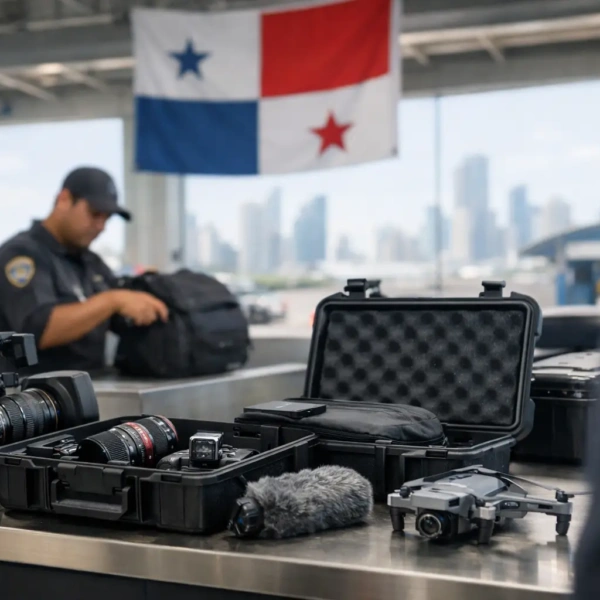
A rebate only pays off if the shoot itself runs cleanly. Permits, customs handling, call sheet logistics, transport coordination, location access, legal compliance, and local crew management all affect the production’s risk profile. If any of those areas slip, the real cost of the shoot can rise quickly, no matter how attractive the incentive looked on paper.
For international productions, this is usually the real reason to work through an established local service company. You are not just hiring fixers or line items. You are building a compliant production pathway that connects permits, accounting, staffing, equipment, and on-the-ground execution.
In Panama, that local layer is especially important because productions often move quickly between very different environments. A schedule that covers city streets, coastal zones, remote natural locations, and controlled interiors needs more than a good scout. It needs production systems that can keep pace while protecting the budget and the rebate process at the same time.
What to verify before you greenlight Panama
Any producer considering Panama should pressure-test the decision with a few practical questions. Is the project’s local spend high enough to justify the administrative process? Are the desired locations realistically accessible within the schedule? Can the production structure satisfy legal and rebate requirements from prep through wrap? And does the local team have the experience to manage both execution and documentation without creating friction for the home office?
Those questions usually reveal whether Panama is simply appealing or actually viable for the project at hand. In many cases, it is both. But the answer depends on matching the incentive to the production model, not forcing the production model to fit a rebate headline.
A company such as 40 Grados Producciones can help international producers evaluate that fit early, before assumptions turn into budget problems. That early clarity is often what separates a cost-effective shoot from a complicated one.
The real value of the incentive
The Panama filming incentive is compelling because it sits at the intersection of finance and practicality. It rewards local spending, but it also works best in a country where production logistics are already favorable. That combination is what makes Panama more than a rebate destination.
For producers who need visual range, manageable operations, and a credible way to reduce net spend, Panama deserves serious consideration. The smart move is to assess the incentive the same way you assess any key production asset – early, carefully, and with the right local support in place. When that foundation is solid, the rebate becomes more than a benefit. It becomes a real production advantage.