
A Panama shoot can look easy on a deck – tropical coast, modern skyline, rainforest roads, colonial streets, compact travel times. On the ground, film production logistics Panama requires are what determine whether that promise holds up under a real schedule. The country gives producers speed, visual range, and cost advantages, but only when permits, transport, crew coordination, customs, lodging, and compliance are handled with precision.
For international productions, Panama works best when logistics are treated as a production function, not an afterthought. A strong creative package can still lose days to delayed equipment release, location restrictions, weather shifts, or poor interdepartmental coordination. The practical advantage of shooting here is not just what Panama offers. It is how efficiently those moving parts are managed once your team lands.
Why film production logistics in Panama matter early
The mistake many first-time productions make is assuming Panama is simple because it is accessible. In many ways, it is. The airport is well connected, the country is geographically compact, and crews are used to supporting overseas clients. But easy access does not remove the need for planning. It changes where the pressure points show up.
A location that is one hour from the city can still require permit lead time, police support, parking control, power planning, and alternate weather coverage. A multi-location commercial may look straightforward on paper, but once unit moves, meal windows, talent transport, and local traffic patterns are added, the margin for delay gets tight fast. That is why experienced producers build the logistics plan in parallel with budgeting and scheduling, not after approvals are complete.
In practice, the productions that perform best in Panama are the ones that localize quickly. They identify what should be sourced locally, what should travel, and which decisions affect rebate eligibility, crew ratios, and timing. That is where a local production partner becomes less of a convenience and more of a control point.
The core pieces of film production logistics Panama productions depend on
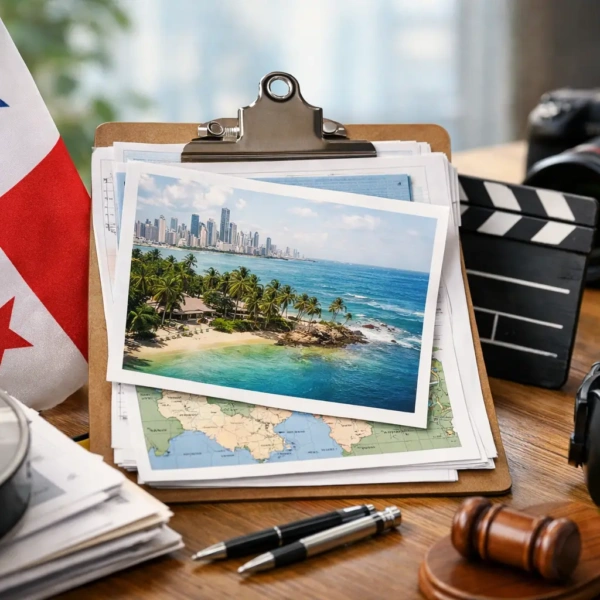
Permits come first because they affect almost everything else. Public spaces, municipal areas, beaches, roads, drones, protected zones, and high-traffic city locations each carry different requirements. Some are straightforward. Others depend on agency review, safety conditions, timing, or added public authority coordination. If your production is moving between urban and remote environments, permit sequencing matters as much as permit approval.
Crew coordination is the next major factor. Panama has experienced local crew across commercials, television, documentary, branded content, and feature work, but availability changes with season and project volume. The goal is not just filling positions. It is building a crew structure that matches the scale of the shoot while keeping communication clear between local teams and traveling department heads.
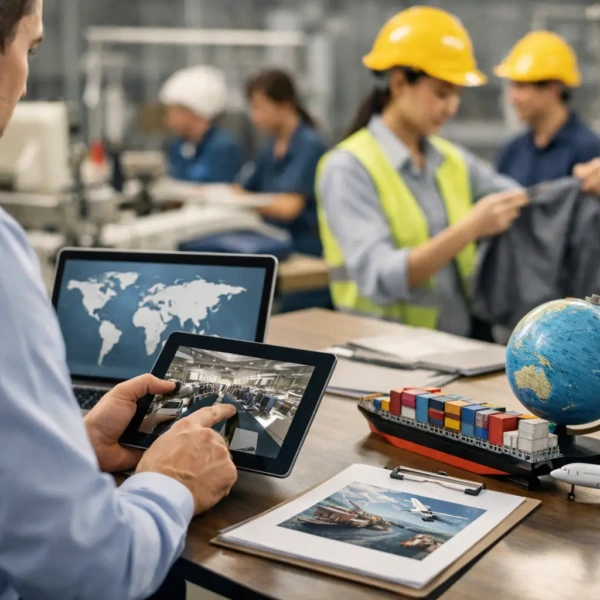
Transport planning is where schedules are won or lost. Airport pickups, crew shuttles, cargo vehicles, talent moves, technical trucks, marine access, and location-to-location transfers all need to be aligned with call sheets that reflect real travel times, not optimistic estimates. Panama City can support fast urban production, but traffic windows still matter. Outside the capital, road access and weather exposure can change a plan quickly.
Equipment support is another area where assumptions can get expensive. Panama can provide substantial local production support, but not every project should rely on the same sourcing model. Some productions can build almost entirely from local inventory. Others need to bring specialty gear, which introduces customs timing, carnet handling, temporary import procedures, and risk around replacement or repair. The right decision depends on budget, technical requirements, and how exposed the schedule is to a delay.
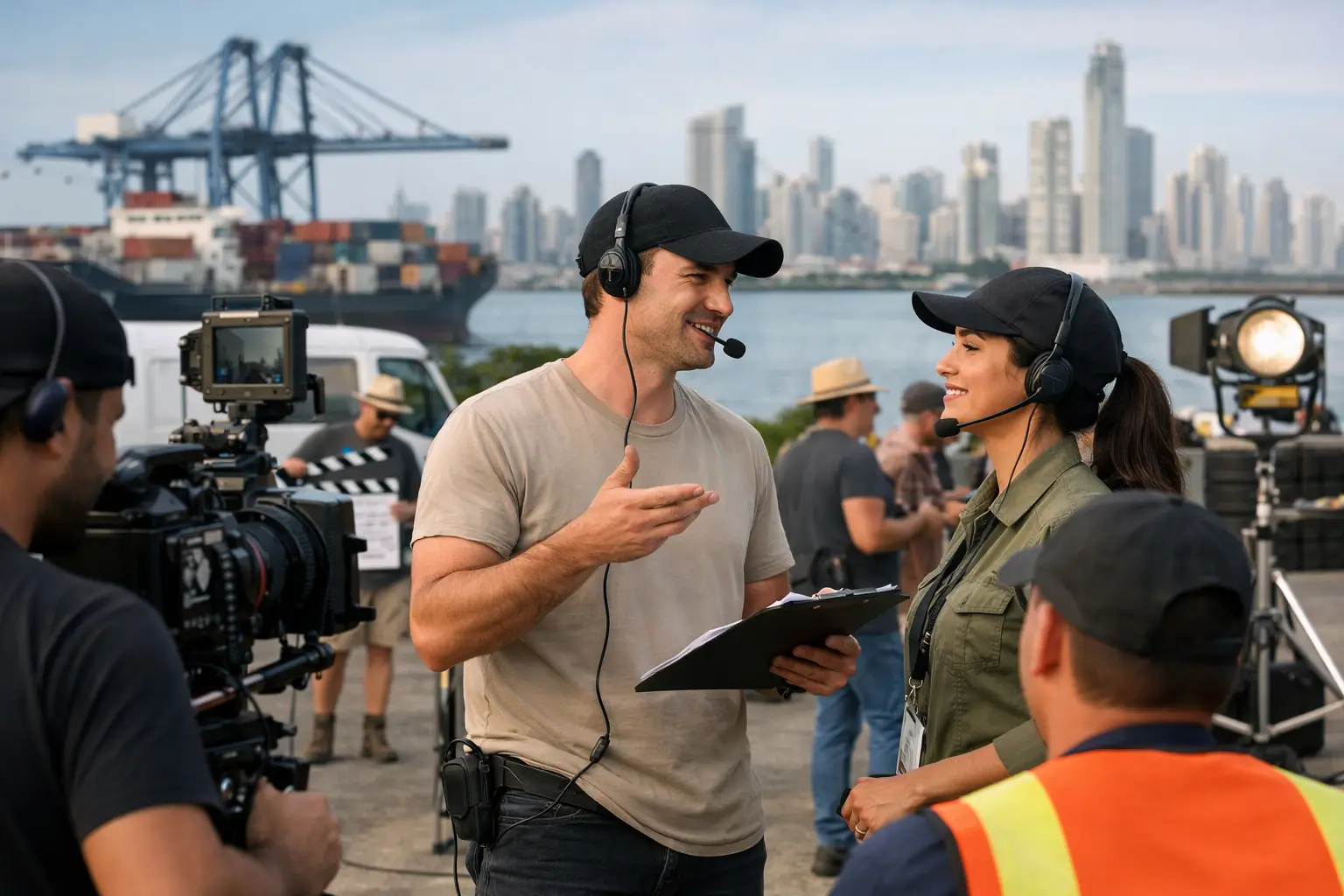
Housing, basecamp setup, catering, security, and communications round out the daily operating picture. These may sound routine, but on a foreign shoot they shape crew performance and schedule discipline. Good logistics reduce friction. Great logistics give production more usable hours per day.
Budget control starts with local knowledge
A lot of producers look at Panama because the country can be cost-effective compared with larger production markets. That is true, but only to a point. Savings are real when the shoot is structured correctly. They disappear when a production imports too much, overbooks unnecessary support, or underestimates the cost of inefficient moves.
The most useful budgeting approach is to separate headline savings from operational savings. Headline savings include lower labor costs, shorter travel distances between very different looks, and access to the 25% cash rebate for qualifying projects. Operational savings come from the details: knowing when one crew can cover multiple needs, when a location pair can be scheduled in the same day, when local sourcing beats import, and when a cheaper location becomes more expensive because access is difficult.
This is where local execution has direct financial value. An experienced Panama team can flag hidden cost drivers before they affect the final budget. That includes permit complexity, weather season realities, police or safety requirements, generator needs, marine transport, and night shoot constraints. These are not dramatic issues, but they are the issues that move a bid from competitive to overrun.
Permits, legal compliance, and rebate planning
Panama is production-friendly, but friendly does not mean informal. International shoots need a compliant structure around permits, contracts, labor coordination, insurance expectations, and government-facing documentation. If your project is aiming to qualify for the country’s incentive program, the standard has to be even tighter.
Rebate planning should start before principal photography, not during wrap accounting. Producers need clarity on eligible spend, documentation standards, local vendor records, payroll handling, and how the production entity is set up. Missing paperwork is not a small admin problem. It can affect recoverable value.
Legal guidance also matters in areas that can be overlooked during prep, such as releases, imported gear records, location use agreements, and specialty filming activity. Drone operations, water work, public disruption, and protected areas may all require additional planning. The right local production company keeps those issues from slowing approvals or exposing the production to avoidable risk.
Panama’s biggest logistics advantage is range
One of the strongest operational arguments for Panama is location diversity within a manageable footprint. A production can access tropical beaches, dense jungle, urban corporate environments, mountain roads, canal-adjacent infrastructure, islands, and historic architecture without cross-border travel. That has major scheduling value.
But range only helps if the logistics plan respects the real conditions behind each look. A beach sequence may be visually close to the city but still require marine support, tide planning, or controlled load-in windows. A rainforest location may look production-friendly in scouting photos but become a challenge for grip transport, signal coverage, or weather protection. Panama gives producers options. Good logistics turn those options into practical shoot days.
This is often where international teams gain the most from local support. A location is never just a location. It is an access question, a permit question, a power question, a transport question, and sometimes a safety question. Producers who understand that early can move faster with fewer compromises later.
What international producers should ask before locking a Panama shoot
The right questions are usually operational. How long do key permits actually take? What can be crewed locally at the level your project needs? What gear should be sourced in-country versus imported? Which locations carry hidden access limitations? How will weather affect your season and backup plan? What documentation is needed to protect the rebate path from day one?
Just as important, ask who is managing the handoff between planning and execution. A lot of shoots look organized in prep and then lose efficiency once departments begin moving in parallel. The best local partners keep visibility across permits, transport, staffing, vendors, accounting support, and on-set problem solving. That matters more than broad promises.
For many foreign productions, the practical answer is a one-stop production service model. Instead of building a local network from scratch, producers work through a team that already understands the permitting landscape, available crew base, vendor ecosystem, and operational rhythm of shooting in Panama. That reduces exposure and speeds decision-making. Companies such as 40 Grados Producciones are built around exactly that role – helping international productions execute efficiently, stay compliant, and protect the budget while taking full advantage of the country’s production value.
Film production logistics Panama teams need are not glamorous, but they are what make Panama work at a professional level. The country offers strong visuals, real cost advantages, and a credible incentive environment. The productions that benefit most are the ones that treat logistics as part of the creative strategy from the start, because every well-managed move on the ground gives the schedule more room to deliver on screen.