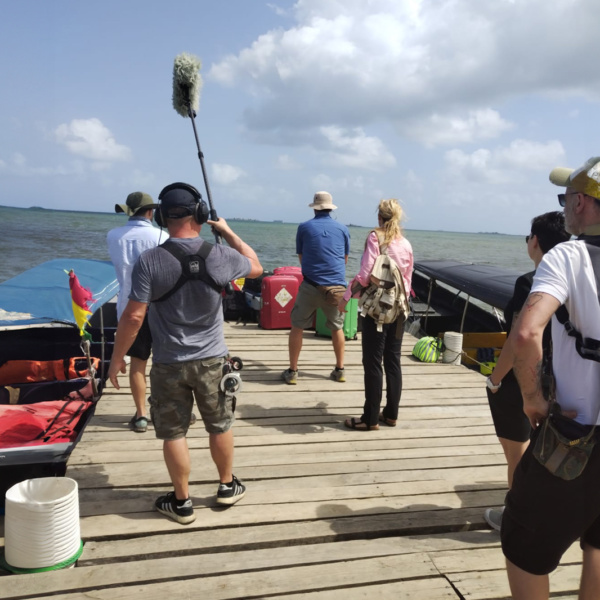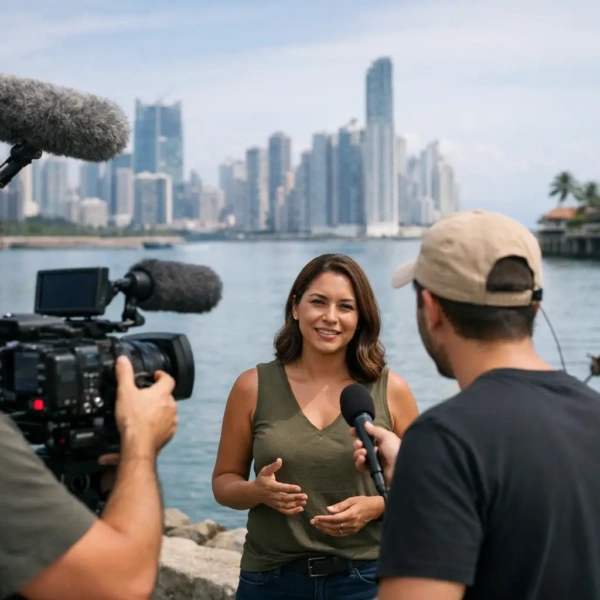


A foreign shoot can look straightforward on a deck: strong locations, favorable exchange rates, a manageable flight time, and a local crew estimate. The risk appears once schedules, permits, equipment, talent, and customs all need decisions at the same time. Knowing how to manage overseas production means building local control before the first camera case lands.
For feature films, commercials, reality series, and branded content, overseas production works best when the home team retains creative and budget authority while a proven local partner manages execution. Panama is a strong example. It can offer urban skylines, rainforest, beaches, colonial architecture, islands, and the Canal Zone within practical travel distances, but access and logistics still require country-specific planning.
Start With a Production Plan That Can Be Executed Locally
A treatment and preliminary schedule are not enough to obtain accurate overseas bids. The local production team needs a working brief that identifies the real operational load: script pages, cast size, shooting format, special equipment, vehicles, water work, night work, stunts, animals, drones, minors, and any scenes involving public infrastructure.
Send a schedule that shows company moves, prep days, shooting days, hold days, and wrap. Include the creative priorities that cannot move. A director may be flexible about a background street but not about a sunrise scene on a specific coastline. Those distinctions allow the local producer to protect what matters and suggest cost-effective alternatives where there is room to adjust.
The best early question is not, “What does it cost to shoot here?” It is, “What does this specific production require to shoot here safely, legally, and on schedule?” A realistic local assessment will identify constraints early, before a location is presented as guaranteed or a budget is treated as final.
Build One Budget With Clear Ownership
Overseas budgets become difficult when domestic and local expenses sit in separate documents with different assumptions. Build one master budget, even if departments maintain detailed working versions. It should clearly show what is paid by the visiting production, what is sourced locally, what is subject to tax, and what may qualify for an incentive.
Currency handling deserves attention from the outset. Panama uses the U.S. dollar in daily transactions, which can simplify budgeting for U.S. productions. That does not remove the need to define payment timing, petty cash procedures, purchase approvals, vendor deposits, and who has authority to approve overages.
A practical approval structure prevents small issues from becoming expensive ones. Set thresholds for local purchasing, specify the production contact who can authorize changes, and require written approval for major substitutions. This matters most when weather, traffic restrictions, or permit conditions force a quick decision during prep or on the shooting day.
Budget a contingency that reflects the production rather than using a token percentage. A controlled studio-style commercial with limited company moves carries different risk than a reality shoot crossing multiple regions. Remote access, marine transport, weather cover, security, and schedule compression all affect the contingency required.
Select a Local Partner Before You Lock the Schedule
A local production service company is not simply a vendor that hires crew. It should be the operational extension of the line producer and production manager. The right team has current relationships with permitting bodies, location owners, equipment houses, transport providers, casting resources, and department heads. Just as important, it knows which assumptions are likely to fail in the field.
Ask direct questions during the selection process. Who will run the shoot on the ground? Which crew positions are locally available at the required level? What equipment needs to be imported? How are location permits handled, and what lead times apply? Can the team provide a detailed production schedule and cost report in the format your finance department needs?
References matter, but process matters more. A capable partner can explain how it manages call sheets, daily production reports, vendor reconciliation, security plans, emergency contacts, and wrap accounting. If answers remain broad, the production may be relying on goodwill rather than a controlled system.
For international teams filming in Panama, 40 Grados Producciones provides this local production structure across permits, crew, locations, logistics, equipment coordination, and on-the-ground execution.
Plan Permits, Locations, and Legal Requirements Together
Permits are not a final paperwork step. They shape the schedule, crew footprint, traffic control, public access, security requirements, and sometimes the hours in which a scene can be filmed. A location that is visually ideal may require a restricted setup window or additional government coordination. The production needs to know that before committing talent, gear, and transport.
Location scouting should therefore include an operational recce, not only a creative one. Confirm parking, basecamp space, power access, holding areas, restrooms, rain cover, noise exposure, signal coverage, road conditions, and the route for emergency vehicles. For remote locations, assess travel time at the actual call time, not at midday under ideal conditions.
Legal requirements vary by project. International cast and crew may need immigration guidance or work authorization. Productions may need insurance documentation, location agreements, drone approvals, music clearances, release forms, and rules for filming in protected or government-controlled areas. Treat each as a production dependency with an owner and deadline.
This is also where a local partner protects the visiting team from false certainty. A permit application may be accepted but still depend on a final site inspection, authority approval, or updated security plan. Build backup locations and schedule options before the shoot is under pressure.
Crew the Show for Communication, Not Just Availability
A local crew should not be viewed as a substitute for the visiting team. It is the practical engine of the production. Department heads who know local suppliers, driving routes, weather patterns, and location protocols can save substantial time and prevent avoidable rentals or overtime.
Crew decisions should balance experience, language needs, and the creative complexity of the job. A small branded-content shoot may work with a lean local unit and a few traveling agency representatives. A narrative or high-spec commercial may require a larger bilingual team, specialized technicians, and clear department reporting lines between visiting and local heads.
Do not assume terminology translates perfectly. Share technical specifications, camera and lighting packages, playback requirements, safety expectations, and workflow documents in advance. Hold a department-head call before prep begins. It is faster to resolve a difference in grip terminology or data-management expectations on a video call than while a company is waiting at location.
Treat Logistics as Part of the Shooting Plan
International logistics are rarely solved by booking flights and hotels. They include airport arrivals, baggage handling, carnet or temporary import procedures where applicable, equipment manifests, local trucking, fuel, drivers, accommodation proximity, meal timing, and return freight.
The choice between importing equipment and renting locally depends on the package, insurance, customs exposure, availability, and downtime risk. Importing a highly specific camera configuration may be justified. Importing standard items that are readily available locally can create extra handling, transport, and customs work without adding production value.
Create a travel and freight schedule that is separate from the shooting schedule but tied to it. Include buffer days for equipment arrival, prep, testing, and return. If the project depends on a single specialty item, identify a local backup or a workable alternative before production begins.
Manage Overseas Production Through Daily Reporting
Once cameras roll, remote decision-makers need timely information without being buried in messages. Agree on one reporting rhythm: a morning status update during prep, a daily production report during the shoot, cost tracking at defined intervals, and immediate escalation for safety, legal, schedule, or budget issues.
Daily reports should capture more than pages shot or setups completed. They should note weather impacts, permit conditions, overtime exposure, equipment substitutions, incidents, next-day risks, and any decision needed from the home office. Clear reporting gives executive producers control without slowing the local team down.
For productions considering Panama’s 25% cash rebate incentive, keep incentive compliance active throughout the job rather than revisiting it after wrap. Eligible spend, vendor documentation, payment records, contracts, and audit requirements need to be organized while transactions occur. The incentive can improve the financial picture, but it should never be treated as a substitute for a disciplined budget.
A successful overseas shoot is not defined by how little the visiting team has to think about. It is defined by how confidently they can make the right decisions because the local operation is giving them accurate options, reliable documentation, and a clear path forward.