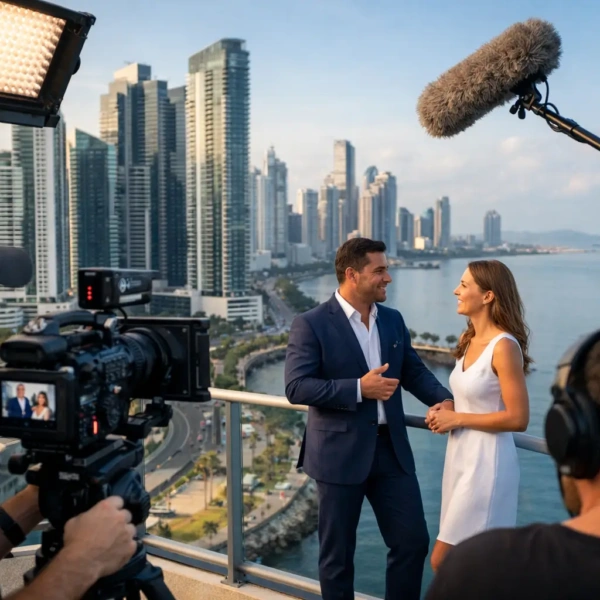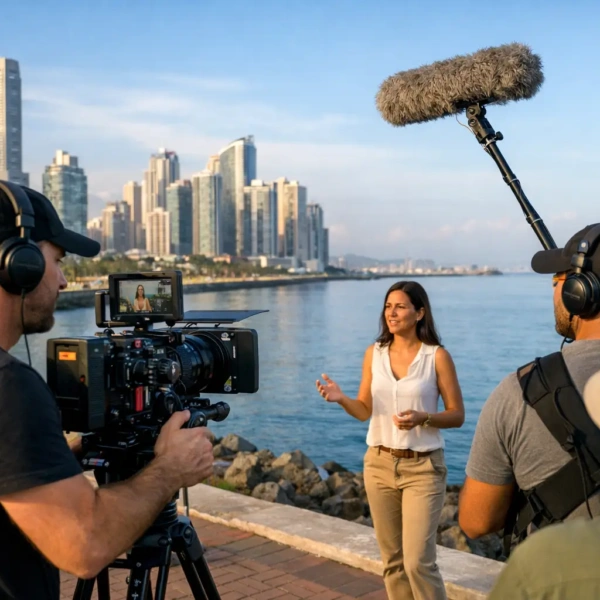
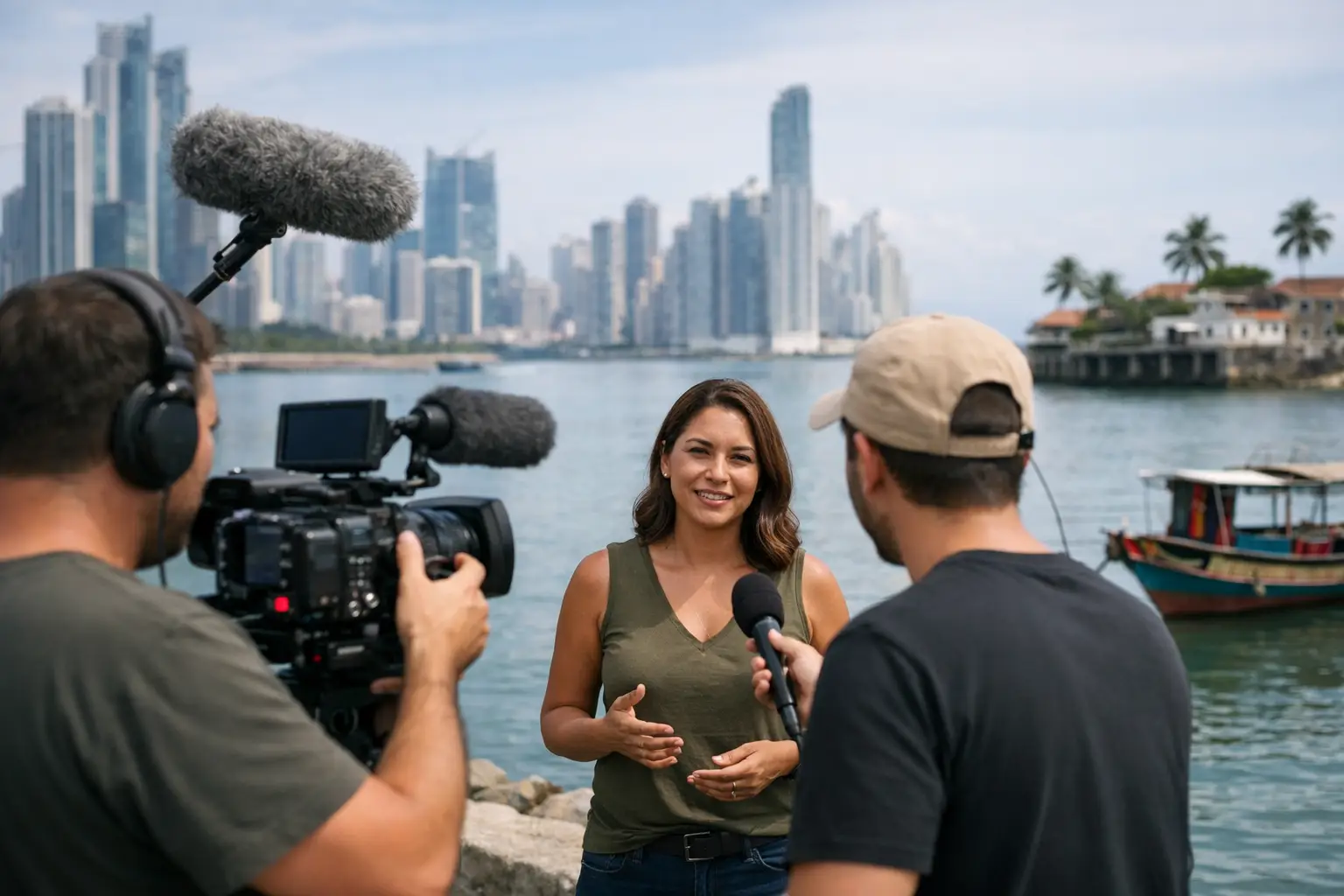
When a documentary schedule changes at 9 p.m. because a contributor finally agreed to appear at sunrise, local execution stops being a nice-to-have and becomes the whole job. That is where documentary filming support Panama producers rely on makes a measurable difference – not just in fixing problems, but in preventing delays, budget drift, and compliance issues before they hit the call sheet.
Panama is a strong documentary destination for one simple reason: it gives producers a lot of visual range and operational value in a compact, accessible market. You can move from dense urban environments to rainforest, coastline, islands, industrial zones, and rural communities without losing days to internal travel. For documentary teams working with limited windows, unpredictable access, and sensitive subjects, that efficiency matters as much as the footage.
What documentary filming support in Panama really covers
For international producers, local support is not only about hiring a fixer to make calls. Documentary production usually needs a more integrated structure. Permits, location access, transportation, gear coordination, customs considerations, production insurance, local labor, call sheet management, and legal clarity all interact with one another. If one piece is handled late, the rest of the schedule starts to wobble.
That is especially true in nonfiction work. A commercial can often control the environment. A documentary rarely can. You may be filming in public spaces one day, a government-related location the next, and then following real people on a moving schedule that changes by the hour. The support model has to be responsive, production-aware, and grounded in local process.
The best documentary filming support Panama offers is practical and on the ground. It starts before the crew boards a flight and continues through the final shoot day. It includes pre-production planning, local sourcing, permit strategy, and the field-level coordination needed to keep a shoot moving when real life does not cooperate.
Why Panama works for documentary production
Panama is often discussed in terms of incentives and cost, and both matter. But documentary teams usually choose the country for a broader mix of reasons.
The first is location diversity. Panama can stand in as multiple geographies within a relatively short distance. That helps series producers, broadcasters, and branded documentary teams build visual variety without moving a unit across several countries. It also helps independent productions stretch shooting days further.
The second is logistics. Panama has strong international air access, a service-friendly business environment, and a production ecosystem capable of supporting visiting crews. If you are flying in a producer, director, DP, or correspondent and building the rest of the team locally, Panama can be a very workable market.
The third is financial efficiency. Local crew rates, support costs, and regional sourcing can compare favorably with larger production hubs. And depending on the project structure, the country’s 25% cash rebate can be part of the equation. That said, rebates are never automatic. Eligibility, spend categories, paperwork, and timing need to be managed correctly from the start.
Permits and access are where documentaries win or lose time
Documentary producers usually ask one question first: do we need permits for this? The honest answer is that it depends on where, how, and at what scale you are filming.
A small crew shooting observational material in low-control environments may have a different permit path than a documentary series with talent, vehicles, drones, lighting setups, or filming inside regulated or sensitive locations. Public space rules, municipality requirements, protected areas, institutional approvals, and private property permissions can all apply differently depending on the shoot.
This is why local permit handling should never be treated as a last-minute admin task. A support partner needs to understand not only which approvals may be required, but how those approvals affect scheduling, access windows, security coordination, and crew movement. In documentary production, missing a permit deadline can mean missing the story.
The same applies to contributor access. Some shoots depend on community trust, NGO coordination, business approvals, or introductions that need to be handled professionally and with cultural awareness. A local team that knows how to approach those conversations can help open doors without creating friction.
Local crew and field logistics for documentary filming support Panama productions depend on
The right local crew structure can save money, but more importantly, it protects the schedule. Documentary crews are often lean by design. That makes every role more important. A strong local producer, production manager, fixer, coordinator, sound recordist, camera assistant, driver, or translator can remove pressure from the incoming team and keep the production focused on editorial priorities.
Not every documentary needs a large local crew. Some projects work best with a very small footprint. Others need a scalable setup with multiple units, field producers, security support, or specialist operators. The point is not to overbuild. It is to match the crew plan to the access level, subject matter, and shooting style.
Transport is another area where local support pays for itself. Documentary teams often carry mixed packages, move across changing terrain, and work around real-world timing. Reliable vehicles, route planning, airport coordination, gear transfers, and realistic travel times matter. A bad logistics assumption can cost an entire interview window.
Equipment support also needs a clear plan. Depending on the project, some gear can be sourced locally and some may be better brought in. That choice depends on availability, spec requirements, insurance, customs implications, and the cost of downtime if a replacement is needed quickly. There is no one answer. A well-run local production partner will tell you where local sourcing makes sense and where it does not.
Legal, customs, and compliance are not side issues
International documentary teams sometimes underestimate the legal side of shooting abroad because the production style feels light. But low-footprint does not mean low-risk.
Visas, temporary imports, customs documentation, releases, insurance expectations, labor classifications, drone restrictions, and protected-location rules can all affect the shoot. The right support team helps producers avoid informal workarounds that create bigger problems later. That is particularly important for broadcaster commissions, platform-delivered projects, and branded content with strict legal review.
Compliance also affects editorial confidence. If a producer knows the permits are in place, the crew structure is legitimate, and the paperwork can withstand scrutiny, the team can focus on the story rather than second-guessing the production setup.
Rebate strategy should start in pre-production
Panama’s 25% cash rebate is a real advantage, but it should be approached as a production strategy, not a marketing headline. Documentary producers need to confirm whether the project qualifies, what local spend counts, what records must be maintained, and how the application process aligns with the actual production calendar.
This is where early planning matters. If the team waits until shoot week to think about incentive compliance, they may miss required steps or structure costs in a way that weakens the claim. For some projects, the rebate can materially improve the budget. For others, the administrative effort may need to be weighed against scale, timing, and financing needs. A credible local partner should be direct about that trade-off.
What international producers should expect from a Panama partner
A useful local partner does more than answer questions. They bring structure. That means building a realistic schedule, flagging approval timelines, budgeting with local accuracy, sourcing dependable crew, and solving problems fast when access shifts.
For documentary work, responsiveness is everything. Interview locations fall through. Weather changes. Subjects move. Authorities need clarification. Travel windows tighten. You need a local team that can adjust without losing control of costs or compliance.
That is why many international productions look for a one-stop solution rather than assembling vendors one by one. A coordinated local company can connect permits, logistics, crew, legal guidance, and field execution into one operating plan. In Panama, that model tends to work better than fragmented support, especially for nonfiction projects that need speed and flexibility. Companies such as 40 Grados Producciones are built around that production-services role for incoming international shoots.
Panama can be an efficient, visually rich, and financially smart place to shoot a documentary. But the market works best when the production arrives with the right local structure behind it. If the story is moving fast, your support team should already be in motion before the first camera case lands.