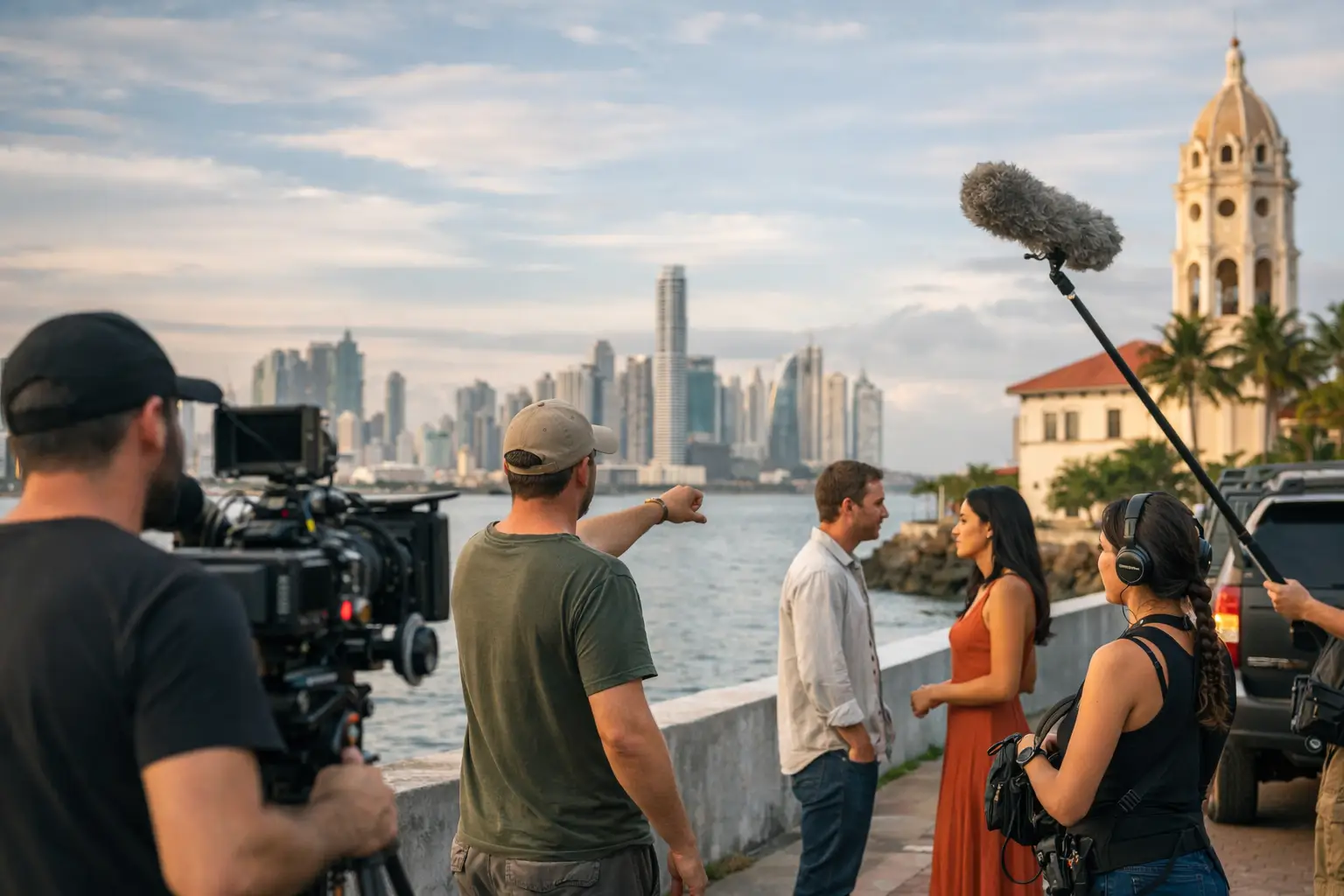
A Panama shoot can look simple on a location deck: city towers, rainforest, islands, colonial streets, and beaches all within reach. On the ground, the question is not only whether a location looks right. It is what permits do crews need to access it, work there legally, move equipment efficiently, and keep the production on schedule.
For international productions, permits are best treated as a production department, not a last-minute administrative task. A single missing authorization can affect a company move, force a location change, delay aerial work, or create complications for foreign crew members at entry. The right approach is to map approvals against the script, schedule, crew list, and technical plan before travel is booked.
What permits do crews need in Panama?
There is no single permit that covers every production. Requirements depend on who is filming, where the work takes place, how long the shoot runs, the size of the unit, and whether the production involves activities such as drones, road control, marine work, special effects, or filming in protected areas.
In practical terms, international crews usually need to manage three parallel tracks: filming and location approvals, immigration or work-related documentation for foreign personnel, and specialized permissions for technical or restricted activities. These tracks often involve different authorities and lead times, which is why a local production partner should coordinate them as one plan.
Location and filming approvals
A private location requires written permission from the owner or authorized representative. That may sound straightforward, but the agreement should define the dates, hours, areas of use, crew footprint, parking, power, restoration, insurance expectations, and any restrictions on filming or branding. Hotels, resorts, commercial properties, studios, and residential locations may also have their own operating rules.
Public locations can require approval from the relevant municipality, government entity, or site administrator. A street scene, plaza, public building exterior, waterfront, or transport-related location may trigger additional requirements if the production affects pedestrian flow, traffic, public access, or safety operations.
The permit request normally needs more than a location name. Authorities and property managers may ask for a production description, shooting dates and hours, crew and vehicle count, equipment list, contact information, safety plan, and proof of insurance where applicable. If the creative changes after approval, the permit may need to be amended. A quiet interview setup and a night exterior with generators are not the same request.
Foreign crew entry and work authorization
Foreign producers should not assume that standard visitor entry covers every type of paid production activity. The correct immigration and work-related process depends on nationality, role, duration, compensation structure, local hiring, and the nature of the engagement. Cast, directors, department heads, technical specialists, and on-camera talent can be assessed differently depending on the project.
This issue deserves early attention because the production needs a clean, consistent personnel file. Names on immigration documents, flight manifests, call sheets, equipment declarations, and permit applications should match. Last-minute crew substitutions are common in production, but they can create avoidable problems when approvals were issued for a different individual.
A local service company can review the crew plan with the appropriate advisors, identify documentation needs, and establish a workable process before the unit arrives. That is especially valuable for productions bringing key creative or technical personnel while building the rest of the crew locally.
Special permits for technical activity
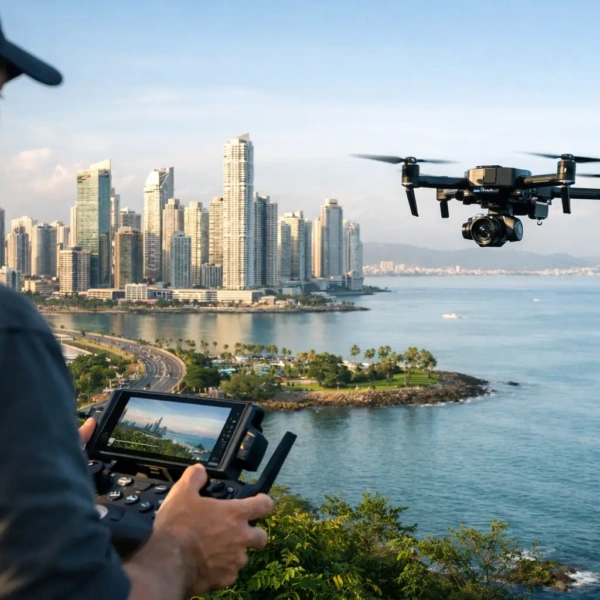
Special operations require their own review. Drone filming is a clear example. Aerial work may involve aviation requirements, operator credentials, flight planning, airspace restrictions, site-owner consent, and additional limitations around airports, government facilities, dense urban areas, and protected zones. Do not schedule a drone day solely because the location is visually available.
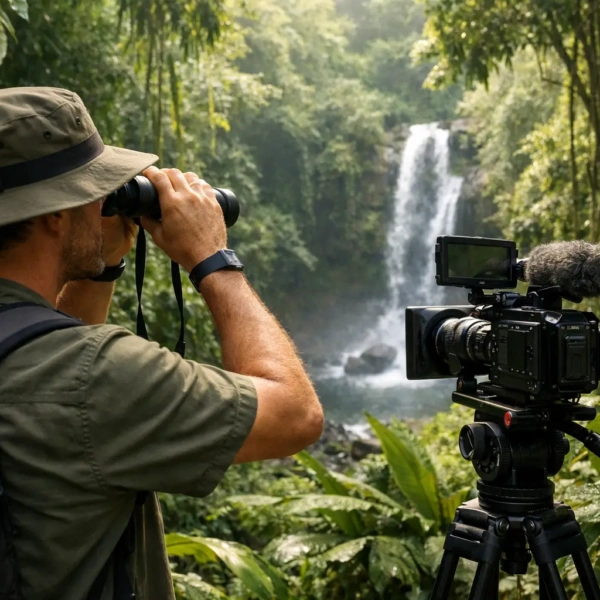
Filming in national parks, reserves, indigenous territories, historic sites, ports, marinas, or other controlled areas can also require permissions from the authority responsible for that property. These locations may limit crew size, shooting hours, vehicle access, lighting, generators, wildlife interaction, and the use of structures or trails.
Other activities that can require advance coordination include road closures, police support, pyrotechnics, weapons or replica weapons, large lighting rigs, cranes, watercraft, underwater work, and filming that affects commercial operations. The production should identify these elements in the script breakdown, not when the equipment truck is already at the gate.
Plan permits by location, not just by project
A common mistake is to ask for a blanket permit strategy for an entire shoot. Panama is compact, but locations are governed differently. A controlled beach, a historic district, a private estate, a jungle road, and a downtown exterior each carry different access, security, environmental, and operational considerations.
Start with the location schedule and create an approval matrix. For each day, define the legal owner or authority, the filming activity, unit size, vehicles, equipment, special effects, drone use, security needs, and required public controls. This makes it easier to see where one scene affects several stakeholders.
For example, a commercial shooting outside a hotel may require hotel approval, permission for sidewalk or curb use, coordination for production vehicles, and a separate plan for an aerial establishing shot. If the scene includes talent in water or a camera boat, marine and safety considerations enter the discussion as well. The location is one line on the schedule, but it can involve several approvals.
Documentation that keeps the process moving
Permit applications move faster when the production provides clear, complete information from the start. A well-prepared package reduces back-and-forth and helps authorities understand the real operational footprint of the shoot.
For most international productions, the working file should include:
- A project synopsis and the production company’s local and international contacts
- A detailed shooting schedule with dates, hours, locations, and contingency days
- Crew, cast, vehicle, and equipment lists, including foreign personnel where relevant
- A technical breakdown covering drones, generators, lighting, stunts, marine work, traffic impact, and special effects
- Site plans, safety procedures, insurance documentation, and letters of authorization when required
The level of detail should match the scale of the shoot. A small documentary unit may have a leaner package than a feature unit with multiple trucks and a night exterior. Still, both benefit from documenting the plan accurately. Understating the scope to obtain a faster approval can create more risk when the actual crew arrives.
Build permit timing into the schedule
Permits should be part of the critical path, particularly for high-value locations or scenes that cannot easily move. Lead times vary by authority, season, and the complexity of the request. Public events, holidays, weather disruptions, and competing productions can also affect access.
The practical rule is to begin with the most restricted locations and the most specialized activities. Protected areas, aerial work, public-right-of-way requests, and large technical setups should be assessed before general location holds are finalized. Keep alternate locations available until written approvals are confirmed.
Budget should also reflect the real cost of compliance. Permit fees are only one component. A production may need security, traffic personnel, environmental monitors, local fixes to access roads, location restoration, additional insurance, or schedule adjustments to meet operating conditions. These costs are easier to manage in prep than during a forced reset on the shooting day.
A local partner protects the shooting day
International producers come to Panama for range, efficiency, and value, but those advantages depend on local execution. The strongest permit strategy connects the paperwork to the actual shoot: location scouts flag restrictions early, production managers align requests with the schedule, local crew understand site protocols, and logistics teams plan access around approved conditions.
40 Grados Producciones coordinates permits, location access, local crew, equipment, logistics, and on-the-ground production support as one operating plan. That matters because approvals are not isolated documents. They affect who can work, where trucks can park, when a company can move, and whether a key shot is achievable as designed.
Before you lock Panama into the production calendar, send the local team the script pages, preliminary schedule, crew plan, location wish list, and technical requirements. The earlier the real scope is visible, the more options your production has to protect the creative, control the budget, and arrive at each location ready to shoot.