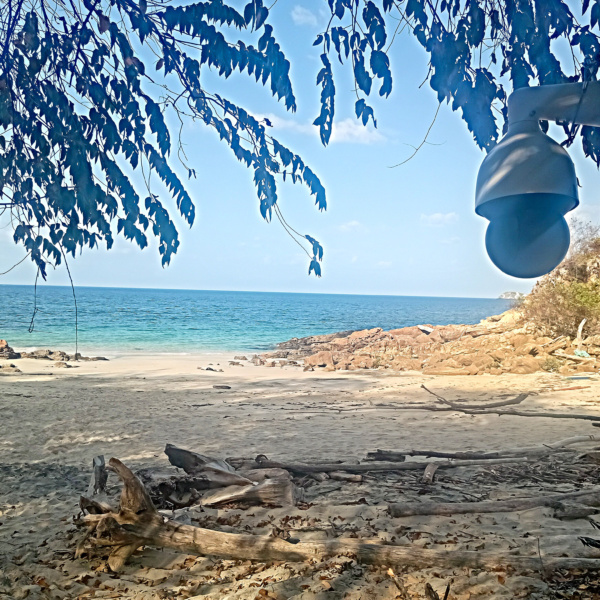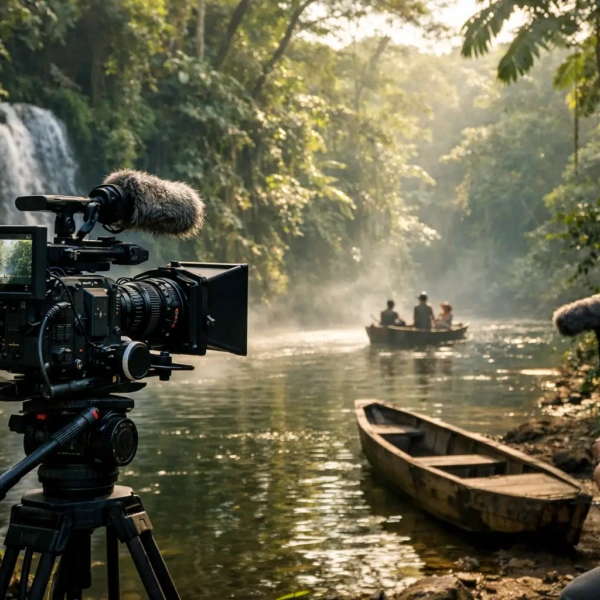
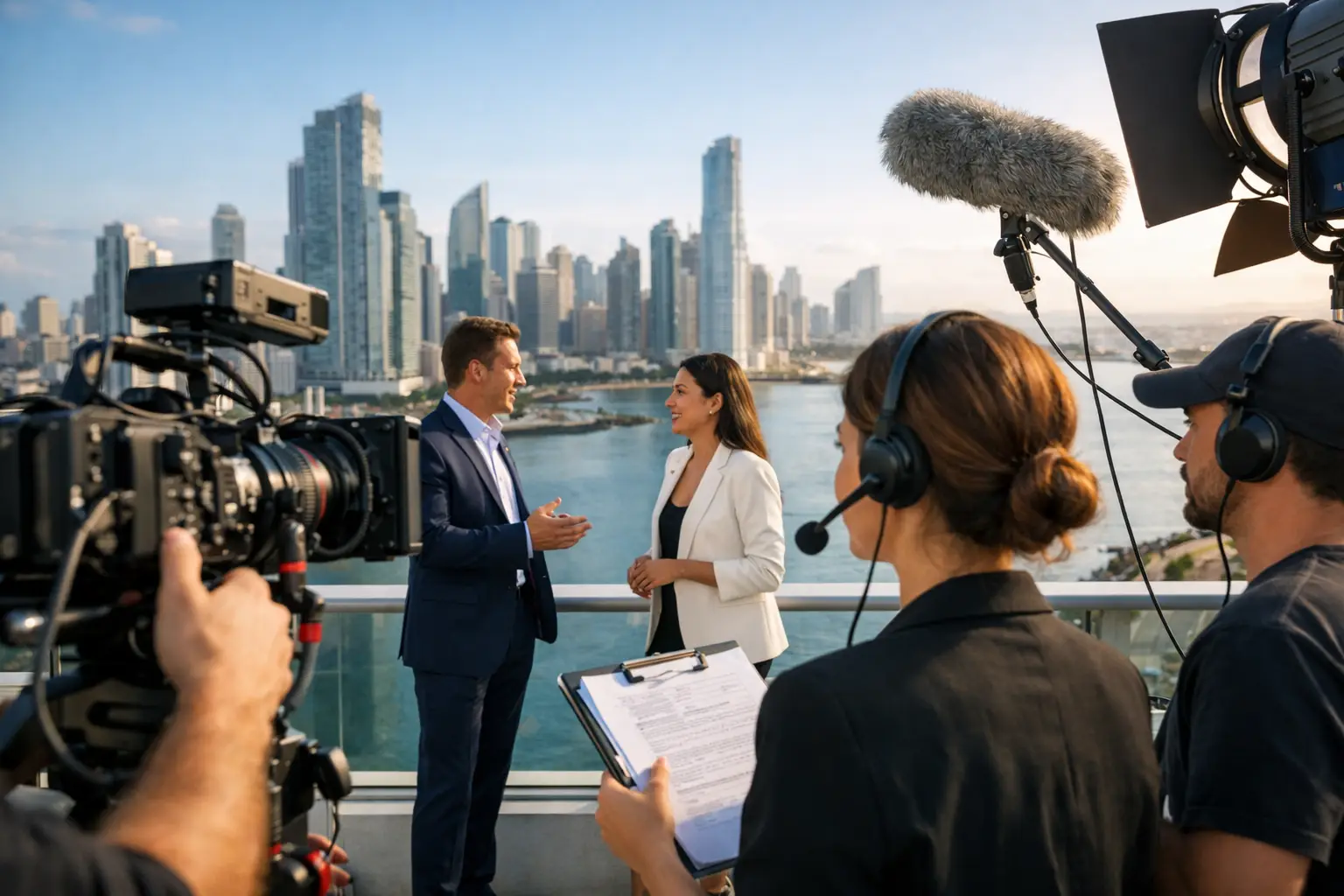
A commercial can move from a city rooftop at sunrise to rainforest coverage by lunch, then finish on a beach or private island before wrap. That range is the practical advantage behind a Panama commercial shoot guide: the country offers high production value in compact geography, but the schedule only works when permits, access, crew, transport, and weather decisions are managed locally from the start.
For agencies, production companies, and line producers arriving with a treatment, Panama can deliver a broad visual palette without spreading the unit across multiple countries. The real question is not whether the locations exist. It is how to build a compliant, controlled production plan that protects creative, time, and budget.
Why Panama works for commercial production
Panama gives commercial teams a rare concentration of looks. Panama City can play contemporary Latin America, a global financial center, a tropical metropolis, or a dense urban backdrop with waterfront skyline views. Outside the city, the options change quickly: jungle, rivers, beaches, islands, colonial streets, mountain roads, agricultural landscapes, and Indigenous communities are all within reach depending on the brief.
This geography can reduce company moves and overnight costs, particularly on short-form campaigns where every hour has a direct effect on the bid. A single production can combine polished city architecture with natural environments that would otherwise require separate units or international travel days.
Cost control is another reason producers consider Panama. Local crew rates, vendors, transport, and support services can be competitive compared with larger North American or European production hubs. That does not mean every shoot is automatically low cost. Water work, remote access, specialty builds, international cast, large-scale road control, and short-notice scheduling can change the budget quickly. The value comes from planning the right local solution instead of importing unnecessary infrastructure.
Panama commercial shoot guide: start with the script breakdown
A proper local assessment begins before the director or agency has locked every visual reference. Share the script, storyboard, shot list, technical needs, talent requirements, planned shoot dates, and expected crew size with the production service team. The earlier that happens, the more accurately the local team can identify permit lead times, practical alternatives, and cost drivers.
A location brief should distinguish between what is essential and what is merely a visual preference. If the concept requires a specific skyline angle, clear-water boat work, a colonial street with controlled traffic, or a tropical road without modern interruptions, those details determine the location path. A strong scout does more than send attractive images. It checks access, parking, holding, base camp potential, power, sound conditions, sun direction, public activity, and whether the location can accommodate the camera package and production footprint.
For commercials, time is usually the most expensive constraint. A location that looks perfect but requires long boat transfers, limited power, or complex public control may still be the right choice, but it needs a schedule built around those limitations. The best early recommendation is often not the most obvious location. It is the one that protects the day.
Build the permit calendar around the actual footprint
Permit requirements depend on the type of location, the scale of the unit, use of drones, traffic impact, public-space control, marine activity, and any work in protected or culturally sensitive areas. Private properties may be faster to secure than public locations, but they still require clear agreements, insurance considerations, and a realistic understanding of access rules.
Do not treat permits as an administrative task to solve after the creative is approved. A city street shoot with picture vehicles, a beach scene with generators, or drone coverage near regulated airspace can involve multiple authorities and site-specific restrictions. A local production partner coordinates the submission process, confirms requirements, and keeps the production aligned with approved conditions.
The schedule should also allow for site recce, technical scout, agency and client decisions, and backup options. Weather alternatives matter in Panama. Rain can be brief and manageable, especially when the schedule is flexible, but a wet-season exterior plan needs covered holding, rain cover, a realistic reset strategy, and secondary scenes that can move indoors.
Crew, gear, and production infrastructure
Panama has experienced professionals across the core commercial departments, including production, camera, lighting, grip, art, wardrobe, hair and makeup, sound, location management, transportation, and catering. The right crew structure depends on the treatment and the working style of the incoming director, DP, and agency team.
Some productions arrive with key creatives and rent locally. Others hire a largely local unit supported by a visiting director and agency representatives. Both models can work. The decision should be based on creative continuity, technical requirements, language needs, and the cost of moving equipment and personnel across borders.
Local equipment support can cover many standard commercial packages, but specialty lenses, high-speed systems, unusual motion-control needs, underwater rigs, or highly specific lighting requirements should be identified early. Importing gear can be practical when the package is central to the look. It also introduces customs planning, carnets or temporary import documentation where applicable, airline freight timing, and contingency for delays. A local equipment check before the budget is finalized prevents unpleasant surprises.
Plan travel and workdays as production variables
Panama City’s international airport connectivity is a major advantage for US and global teams. Once on the ground, however, travel time should be treated with the same discipline as any other production day. Urban traffic, road conditions outside the city, boat transfers, weather, and remote-location access can affect call times and wrap plans.
For multi-location work, the production schedule should specify who travels when, which vehicles carry crew versus equipment, where fuel and power are available, and how meals, talent holding, bathrooms, and medical support will be handled. These are not minor line items. They determine whether the set remains efficient when conditions change.
Talent arrangements require the same attention. International cast may need travel coordination and documentation planning, while local casting requires clear usage terms, fitting schedules, and release management. If minors, animals, stunts, vehicles, or product demonstrations are involved, raise those elements during the initial breakdown. Each one can add approvals, specialists, or additional safety requirements.
Budget for certainty, not just the lowest bid
A useful commercial budget separates fixed needs from variables that may shift with creative decisions. Locations, permits, crew, equipment, transport, accommodations, catering, production office, insurance, and contingency should be visible rather than buried in a single production-services figure. That gives the producer a clear view of what changes if the client adds an extra shoot day, expands the cast, requests a second unit, or moves from a controlled private location to a public one.
Panama also offers a 25% cash rebate incentive for qualifying audiovisual productions, subject to applicable rules, thresholds, documentation, and approval processes. It can be a meaningful part of the financial plan, but it should never be treated as a casual discount. A local partner can help determine whether the project structure, eligible spend, and application timeline support the incentive before it is included in a final finance plan.
The lowest local quote is not always the least expensive outcome. Missing permits, underestimating transport, failing to secure weather cover, or staffing too lightly can cost far more once the unit is standing by. Producers should prioritize detailed assumptions, verified availability, and a local team that can explain why each operational choice is being made.
Keep decision-making close to the ground
International commercial shoots move fastest when approvals are centralized and communication lines are clear. Name the people who can approve budget changes, location substitutions, weather calls, and client requests. Confirm daily reporting expectations and establish how the local production team will escalate a problem before it affects the schedule.
40 Grados Producciones supports international commercial teams as an on-the-ground production partner, coordinating the permits, crew, locations, logistics, legal guidance, and vendor management that turn a Panama treatment into a working shoot plan. The objective is straightforward: give the visiting production team control without requiring it to build a local network from scratch.
The strongest Panama shoot plans leave room for the unexpected while making the essentials non-negotiable. Lock the right locations, confirm the permit path, crew the project to its real demands, and prepare a weather and access alternative before the first truck rolls. Then Panama’s range becomes more than a deck of references – it becomes usable production value on camera.