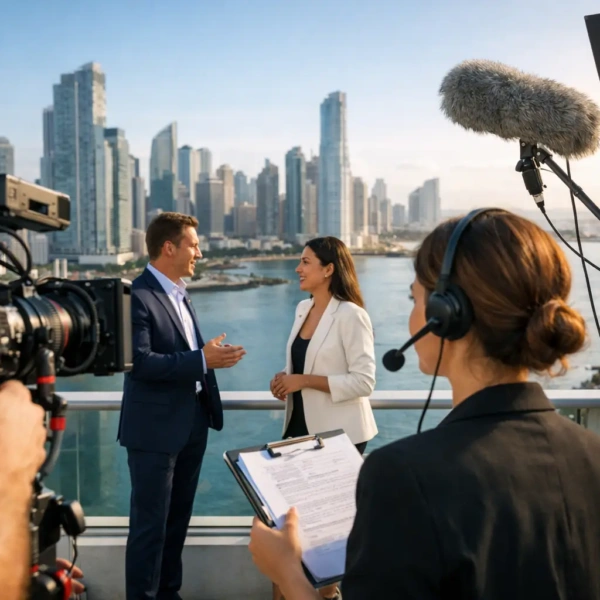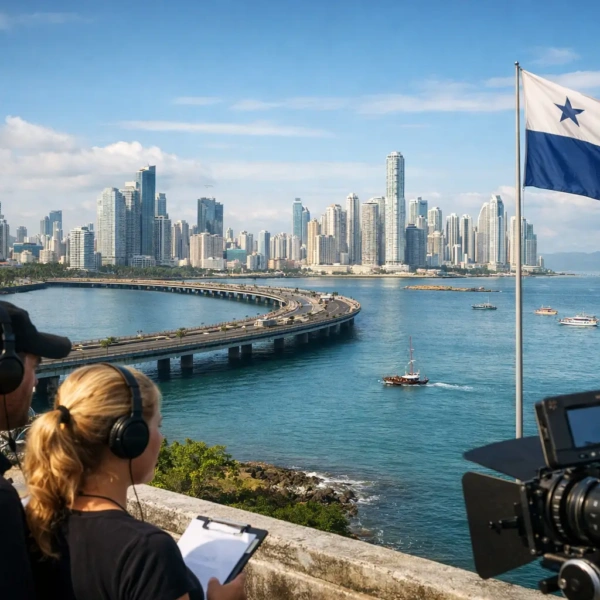
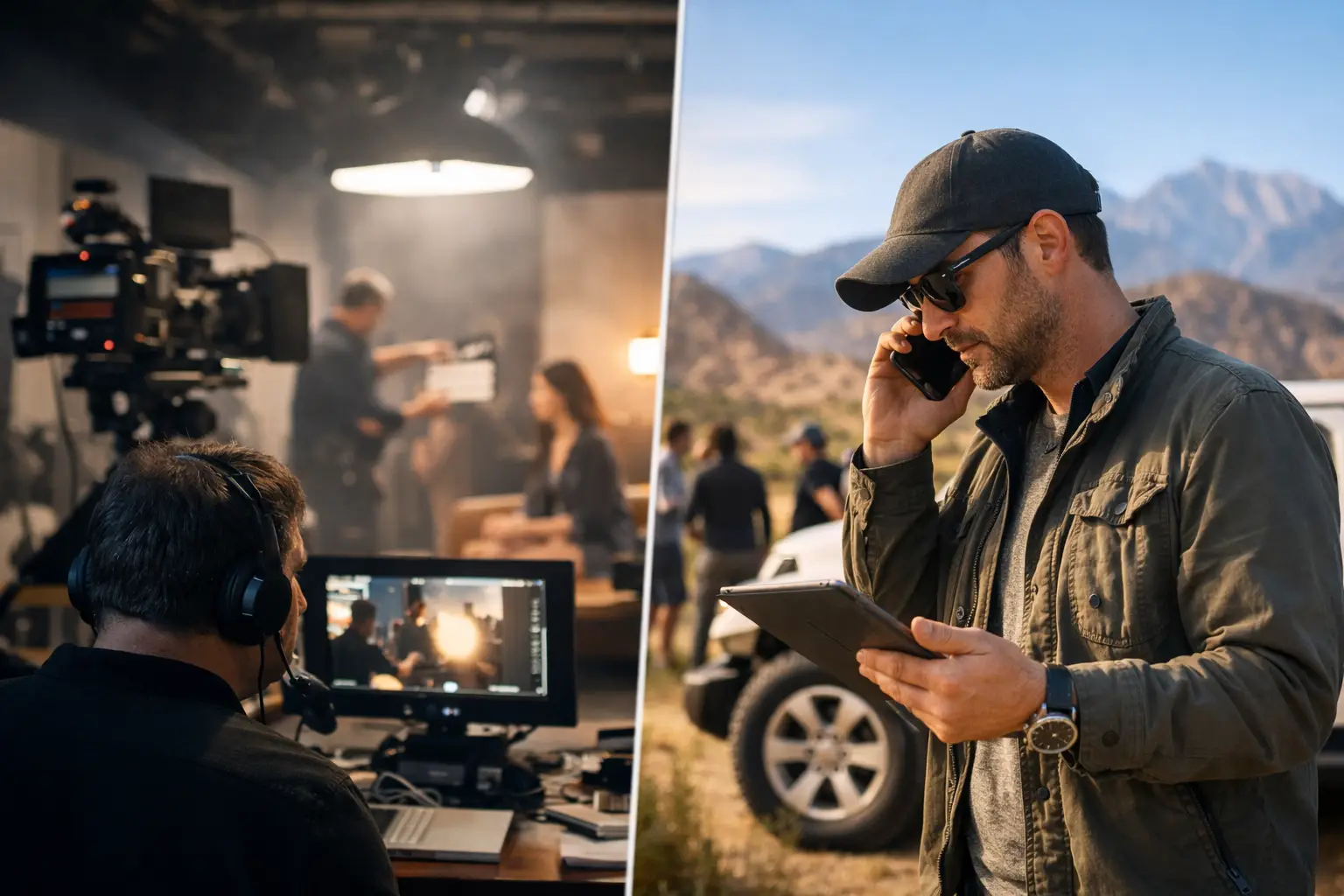
A production service company vs fixer decision can shape far more than your local contact list. It affects who owns the budget, how quickly permits move, whether crew and equipment are properly secured, and how much pressure lands on your visiting production team once cameras are up in Panama.
For a small, tightly defined shoot, a skilled fixer can be the right local resource. For a commercial, television series, feature, reality production, or multi-location project with real financial exposure, a production service company usually provides the stronger operational structure. The right choice depends on your scope, risk profile, timeline, and the level of control you need before arrival.
Production Service Company vs Fixer: The Core Difference
A fixer is typically an independent local professional who helps an incoming production solve practical problems. They may arrange access to a location, introduce local crew, assist with translation, coordinate transport, advise on cultural considerations, and help move permits forward. A good fixer is resourceful, connected, and especially valuable when a production needs fast local intelligence.
A production service company is an organized local production partner built to manage a broader portion of the shoot. Its work can include budgeting, permitting, location scouting, crew hiring, payroll coordination, equipment sourcing, transport, accommodation, casting support, production office setup, legal coordination, insurance requirements, vendor management, and on-set execution.
The distinction is not about whether one option is more knowledgeable than the other. An experienced fixer may have exceptional local relationships. The practical difference is accountability and capacity. A production service company is structured to take responsibility for interdependent departments, documented costs, local contracting, and the many moving parts that can disrupt an international production.
When a Fixer Is the Right Choice
A fixer can be a smart fit when the work is narrow and the visiting team remains responsible for most production management. Think of a documentary crew arriving with its own producer, director of photography, sound recordist, and gear package. The assignment may require a few local interviews, airport transfers, bilingual support, location access, and advice on how to work efficiently in a particular region.
Fixers are also useful during early development or reconnaissance. If you need to assess a story location, confirm whether a community is accessible, identify potential contributors, or understand travel times before greenlighting a shoot, a trusted local fixer can provide fast, practical insight.
This model works best when responsibilities are clearly defined in writing. Who applies for permits? Who contracts the driver? Who is liable if a location changes? Who holds petty cash? Who confirms release requirements or local labor terms? A fixer can support these tasks, but the visiting producer must be prepared to oversee the gaps between them.
The trade-off is that one person has limits. If the project suddenly expands from a two-person documentary unit to multiple camera teams, night work, water access, drones, talent, generators, and several locations, a fixer may need to build an ad hoc network under pressure. That can work, but it creates more risk around scheduling, cost reporting, and vendor accountability.
When a Production Service Company Makes More Sense
A production service company is generally the better choice when Panama is a destination rather than a quick stop. If your schedule includes several shoot days, complex travel, multiple departments, brand stakeholders, agency approvals, stunts, water work, remote locations, child talent, large equipment needs, or a significant local spend, you need a partner that can manage the full production system.
For international producers, the value is not simply having people available. It is having a local team that can turn a creative plan into an executable schedule, with realistic travel times, crew calls, permits, backup options, and costs that reflect the actual conditions on the ground.
A capable service company should help pressure-test the production before your team flies in. A beach location may look close on a map but require a specific access route and weather contingency. A historic district may have restrictions on parking, generators, filming hours, or commercial activity. A jungle location may require safety planning, specialized transport, local guides, and communication support. These are production decisions, not just location details.
For larger projects, centralized management also matters financially. One local partner can coordinate quotes, purchase orders, crew deals, equipment rentals, transportation, and wrap documentation. That creates clearer oversight than coordinating separate freelancers and vendors from another country.
Panama Requires More Than Local Contacts
Panama offers a strong mix of urban architecture, tropical coastline, rainforest, islands, colonial streets, modern skylines, and logistical connectivity. It can support productions that need visual variety without moving across several countries. But that variety also means your plan must account for changing municipal rules, access conditions, travel windows, and production requirements.
Permitting is a clear example. The approval path can vary by location, activity, crew size, equipment, drone use, road impacts, public space access, and whether your work involves protected areas or controlled sites. A local partner should not only submit paperwork. They should identify the permit path early enough to protect your schedule and advise when a creative adjustment will reduce risk.
The same applies to local crew. Panama has experienced professionals across camera, lighting, grip, art, production, transportation, marine work, and location support. The challenge for a foreign production is not finding a name. It is securing the right department heads and crew scale for the job, confirming availability, and building a crew structure that works with your visiting personnel and call sheet.
Budget Control Is Where the Difference Becomes Visible
Many productions initially compare a fixer and a service company by day rate. That is too narrow. The more useful comparison is total operational cost and exposure.
A lower initial fee can become expensive when schedules slip, a location is not fully confirmed, equipment is sourced late, a transport plan is incomplete, or local payments lack documentation. Those problems consume producer time and can force last-minute decisions at premium rates.
A service company should provide a transparent estimate that separates major production categories and identifies assumptions. You should understand what is included, what depends on final script or schedule, and what can change due to permitting, overtime, weather, or location restrictions. Clarity is more valuable than an artificially low first number.
Panama’s 25% cash rebate incentive may also be relevant to qualifying productions. Incentives are not automatic, and eligibility, thresholds, documentation, and application timing matter. A production service partner can help assess whether your project may fit the program and organize the local production records needed for a compliant submission. No responsible partner should present a rebate as guaranteed before the project has been reviewed against current requirements.
Questions to Ask Before You Hire
Whether you choose a fixer or a production service company, ask direct questions about scope and responsibility. Request examples of comparable projects, not just general destination experience. Confirm who will be your daily point of contact, who is authorized to commit local spend, and how cost updates will be delivered during prep and production.
Ask how permits are handled, which vendors are contracted locally, how crew payroll or payments are managed, and what happens if weather, access, or availability changes at the last minute. For commercial and branded work, clarify who manages releases, client-facing logistics, agency communication, and brand-sensitive locations.
You should also ask what is not included. A reliable partner will identify exclusions early, such as specialized equipment, marine support, security, travel permits, unusual construction, medical services, or overtime exposure. Production confidence comes from seeing the full picture before the first call sheet is issued.
Choose the Partner That Matches the Production
There is no reason to hire a full-service company for a simple research trip that only needs a bilingual local guide and transport. There is also no advantage in treating a complex international shoot as a series of informal favors managed through one individual.
The best partner is the one whose infrastructure matches your production. If you need local intelligence and a focused scope, a fixer may be exactly right. If you need one accountable team to coordinate permits, people, equipment, logistics, local compliance, and budget control, a production service company is built for that role.
For productions coming to Panama, 40 Grados Producciones works as a local production partner from early feasibility through wrap, helping international teams arrive prepared rather than spend shoot days solving preventable problems. Start with a clear scope, an honest budget conversation, and a partner that can carry the operational weight your production actually requires.