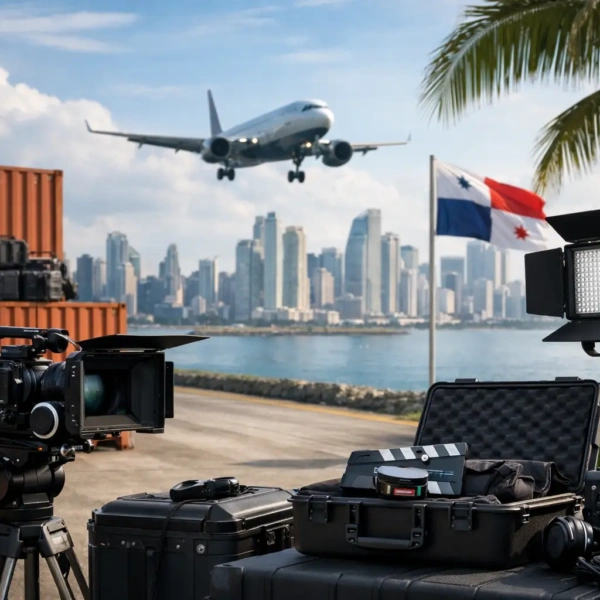

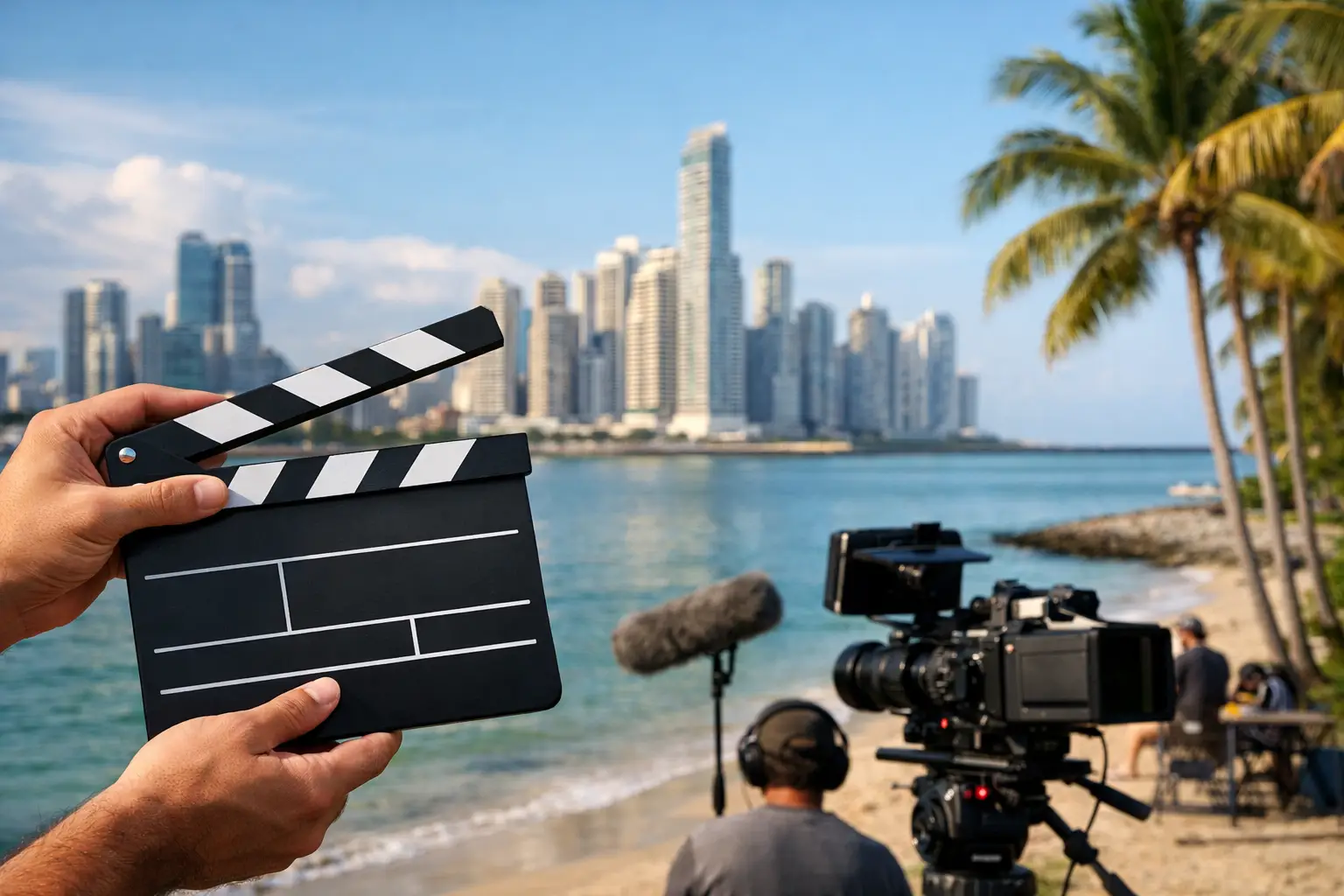
A rebate can make Panama move from a shortlist option to a greenlit production destination fast. When producers ask, do productions qualify for Panama rebate, the real answer is not just yes or no. It depends on the type of project, where the money is spent, how the production is structured, and whether the application is handled correctly from the start.
For international producers, that distinction matters. A project can look eligible on paper and still run into delays if the legal setup, vendor trail, or spending plan does not align with the incentive rules. That is why Panama’s rebate should be treated as a production strategy issue, not just a finance line item.
Do productions qualify for Panama rebate in practice?
In many cases, yes. Panama has positioned itself as a competitive filming destination with a 25% cash rebate designed to attract international audiovisual production. Feature films, television projects, commercial shoots, branded content, documentaries, and other qualifying audiovisual works may be considered, provided they meet the program requirements and complete the proper approval process.
That said, eligibility is not automatic. Authorities do not evaluate projects based only on genre or format. They look at whether the production brings qualifying spend into Panama, uses local services in a compliant way, and satisfies the administrative and legal conditions of the incentive program.
A commercial campaign with a strong local spend can be a better rebate candidate than a larger project that keeps too much of its budget offshore. A reality series may qualify, but only if the structure, contracts, and invoicing support the claim. The size of the project helps, but clean execution matters just as much.
What usually makes a project eligible
The core concept is local economic impact. Panama’s rebate is designed to reward productions that spend money in the country and contribute to the local industry. That generally means using Panamanian production services, crew, rentals, accommodations, transportation, locations, catering, security, and other approved local expenses.
Projects usually need to be international or have foreign participation in a way that fits the program. They also need to follow official application procedures before or during production, depending on the program rules in force at the time of filing. Waiting until wrap to figure out rebate paperwork is where many productions lose ground.
The project category also matters. Narrative film and TV are commonly discussed, but unscripted productions, streaming content, music-driven projects, and advertising work can also enter the conversation. The right question is not whether a format sounds cinematic enough. The right question is whether the production meets the incentive’s spending, compliance, and documentation standards.
What can keep productions from qualifying
The most common problem is assuming all Panama spend is rebate-eligible. It is not. Some costs may count, others may not, and some are only accepted if invoiced correctly through approved local entities. If funds are paid to foreign vendors for services performed outside Panama, those amounts may fall outside the qualifying base.
Another issue is poor production structure. If the local service company is brought in too late, if permits are not lined up properly, or if the paper trail is fragmented across multiple jurisdictions, the rebate process becomes harder to defend. Productions also run into trouble when they do not keep clear backup for expenses, payroll, contracts, and proof of payment.
There is also a timing issue. Incentives work best when they are built into prep. If the production decides to chase the rebate after the budget is locked and the spend has already been committed in the wrong way, there may be limited room to fix it.
Do productions qualify for Panama rebate if they are commercials or branded content?
Often, yes, but this is where nuance matters. Commercials and branded productions can be strong candidates because they typically bring fast-moving international budgets into the country and rely heavily on local execution. Panama is well suited for that model because locations are diverse, crew depth is solid, and travel logistics are efficient.
Still, short-form projects have less margin for error. A feature film may have months to prepare its rebate structure. A commercial often has days. That means the legal setup, local vendor coordination, permit planning, and expense tracking need to be handled immediately. If the project is approved and managed correctly, commercial work can benefit from the rebate. If the paperwork is treated as an afterthought, it can become a missed opportunity.
The spending threshold question
Most producers ask about minimum spend early, and they should. Incentive programs typically require a minimum level of qualifying local expenditure, and Panama is no exception. Whether a project qualifies can depend heavily on whether it reaches that threshold with approved in-country spending.
This is where preliminary budgeting needs to be realistic. Inflated estimates do not help. Authorities and auditors will look at actual spend, support documents, and whether those costs genuinely qualify under the program. A serious rebate assessment should test the budget line by line before production begins.
For some productions, Panama is the right fit because the spend naturally lands in-country through locations, hotels, transport, marine support, local crew, and production services. For others, especially projects with heavy above-the-line or post budgets kept abroad, the local qualifying spend may be thinner than expected. That does not always mean the project is out, but it does mean the rebate value may be lower than early projections suggest.
Why local production support changes the answer
When producers ask if they qualify, they are really asking whether the project can qualify cleanly, efficiently, and without creating risk. That answer improves dramatically when a local production partner is involved from the budgeting stage.
A capable Panama service company can assess whether the project format fits the incentive, flag non-qualifying expenses, coordinate the proper local entity structure, and organize the permit and vendor path so the project stays compliant. That is not administrative padding. It is what protects the rebate claim.
This is especially relevant for international teams flying in with compressed timelines. They need a one-stop local solution that can align permits, logistics, crew, rentals, legal coordination, and rebate planning in the same workflow. If those pieces are fragmented, costs rise and eligibility gets harder to defend.
Documents and proof matter more than intentions
A production may absolutely belong in the rebate program and still struggle if documentation is weak. Incentives are reviewed through evidence, not assumptions. Producers should expect the need for formal contracts, invoices, proof of local payment, payroll records where applicable, and a clean record of who provided each service in Panama.
The practical takeaway is simple. Build the rebate file while producing, not after the fact. Reconstructing expenses after wrap is slower, less accurate, and more exposed to challenge. A project that is organized from day one gives itself a much stronger chance of receiving the full benefit available.
Panama rebate eligibility is a planning question
The strongest productions do not ask about the rebate as a final yes-or-no checkbox. They ask how to structure the job so the answer stays yes from prep through audit. That means checking the project type, testing the local spend, confirming the legal pathway, and making sure every major production decision supports compliance.
Panama remains a practical option for international shoots because the incentive sits alongside real production advantages: varied locations, experienced crews, manageable travel, and competitive operating costs. But the rebate only works as intended when the production is set up correctly on the ground.
If you are budgeting a film, series, commercial, or branded shoot and asking whether it qualifies, the smart move is to pressure-test the project before cameras roll. A clear rebate strategy early in prep can save far more than it costs, and it gives the production team one less uncertainty to carry into the shoot.