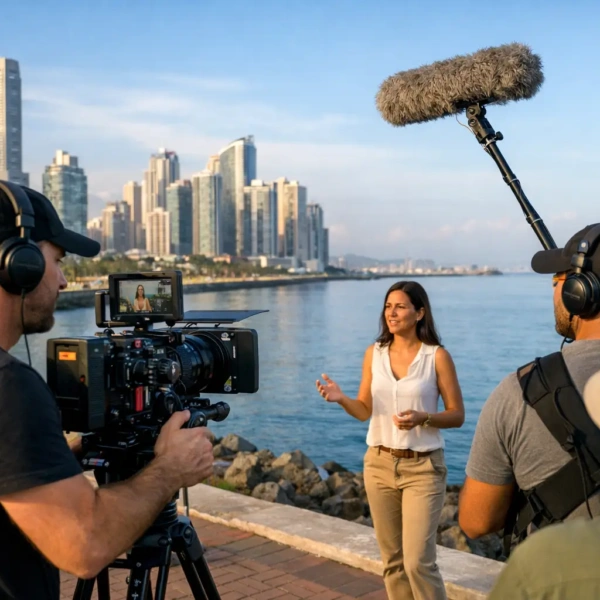

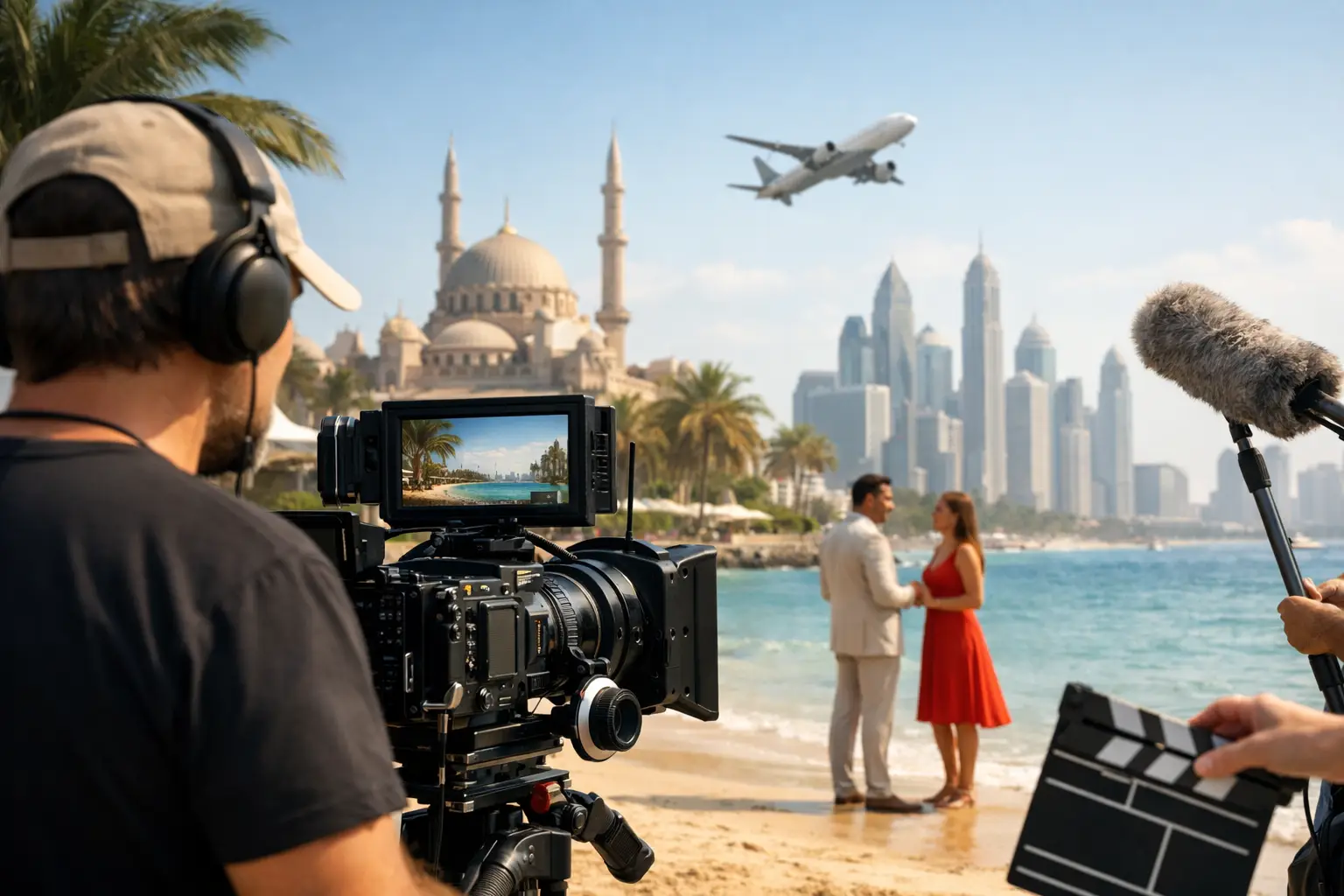
A commercial shoot can lose a day before the first frame is captured: a location release is incomplete, imported equipment is held at customs, or a key crew position has not been confirmed locally. That is why knowing how to shoot commercials abroad is less about booking a visually impressive destination and more about building a production plan that works under local conditions.
For agencies, production companies, and line producers, the goal is straightforward. Protect the creative, keep the schedule moving, control the budget, and return with every required asset. The strongest overseas shoots start with local production intelligence early enough to influence the treatment, bid, and shooting plan.
Start With the Creative, Then Test the Reality
A destination should serve the board, not complicate it. Before choosing a country, break down the script into its practical demands: hero locations, cast size, vehicles, animals, special effects, controlled road access, water work, aerial photography, nighttime exteriors, and weather-sensitive scenes.
A beach, urban center, rainforest, modern architecture, and colonial streets may all appear available in a location deck. The production question is whether they can be reached within the shoot window, permitted in time, powered safely, and serviced by the right crew and equipment. A location that looks inexpensive on paper can become costly when company moves, travel time, security, or access restrictions are added.
This is where a local production partner earns its place. Ask for a feasibility response, not just a location gallery. It should identify what can be achieved, what requires extra time or approvals, and what should be adjusted before the creative is locked. A practical alternative that preserves the visual idea is usually more valuable than a late-stage promise.
How to Shoot Commercials Abroad With a Local Plan
International productions need a local plan that connects permits, people, equipment, transport, and finances. These decisions cannot operate as separate workstreams. If the schedule changes because a permit is limited to certain hours, transportation, lighting, catering, talent calls, and overtime exposure all change with it.
Begin pre-production by appointing one accountable in-country production team. The local producer or fixer should be able to coordinate location scouting, authorities, crew, vendors, unit movement, and on-set problem solving. Splitting those responsibilities among multiple untested contacts can create gaps in communication and unclear accountability.
A good local partner will also challenge assumptions that may be normal in your home market. A 10-minute drive on a map may be an hour at call time. A beach location may require tide planning. A city exterior may need neighborhood notices, police support, or a traffic plan. These are not reasons to avoid an overseas shoot. They are reasons to budget and schedule it like a professional production.
Build the schedule around access and light
Commercial schedules are often compressed, with a client village, agency team, video unit, stills team, and multiple deliverables competing for time. Build a technical scout that includes the director, DP, production designer when relevant, local line producer, and department leads responsible for access-sensitive work.
Confirm sunrise and sunset, weather patterns, backup cover sets, basecamp capacity, parking, restrooms, power, signal reception, and emergency access. If a scene depends on a public location, determine exactly when the crew can load in, work, and clear out. The schedule should reflect those facts rather than an idealized call sheet.
Allow room for a weather cover strategy. In tropical markets such as Panama, short periods of rain may be manageable if the company has a protected holding area, suitable flooring, transport coverage, and an alternate setup ready. For a campaign with a fixed talent window, that preparation can save the day.
Permits, Releases, and Compliance Are Production Work
Permitting is not an administrative task to handle after the locations are chosen. It affects feasibility, timing, cost, and client confidence. Requirements vary by country and can differ between municipalities, protected areas, airports, ports, private properties, indigenous territories, and public roads.
A local production team should confirm the permits needed for each setup, lead times, applicable authority fees, restrictions on equipment or crew footprint, and whether police, fire, medical, or environmental support is required. Drone work deserves separate attention. Aviation rules, pilot qualifications, flight restrictions, insurance requirements, and local permissions can all apply, even when a location appears open and remote.
Rights management should be equally disciplined. Secure location agreements, appearance releases, talent documentation, music permissions, vehicle clearances, trademarks in frame, and property releases as the work is planned. If the commercial will be distributed globally, contracts should match the territory, term, media use, and exclusivity requirements established by the agency and brand.
Production insurance also needs early review. Confirm what the visiting production policy covers internationally and what local policies, certificates, or additional insured requirements may be needed. Do not assume a vendor, property owner, or government authority will accept the same documentation used in the United States.
Crew and Equipment: Use Local Strengths Intelligently
Flying every department in from abroad adds cost, baggage complexity, hotel nights, and fatigue. Hiring entirely locally without proper vetting can create a different set of risks. The right mix depends on the creative, the director’s workflow, client expectations, and the technical demands of the job.
Many productions travel key creative leadership and specialized department heads, then build a local team around them. This approach gives the production continuity while taking advantage of local crew knowledge, regional equipment access, and established vendor relationships. It also reduces the risk of a crew arriving without familiarity with the terrain, language, or working culture.
Ask direct questions about crew credits, English-language capability where needed, commercial experience, union or labor considerations, overtime rules, and available depth in each department. For equipment, request a specific package list and confirm condition, backup availability, power standards, transport cases, consumables, and replacement options. A camera or lighting package is only useful if it is available for prep, tested before the shoot, and supported locally if something fails.
For specialty gear that must travel, plan the import process early. Temporary admission paperwork, carnets where applicable, serial-number inventories, customs timing, and a clear local consignee can prevent expensive delays at arrival. The same attention applies to props, wardrobe, product samples, and branded materials.
Budget the Whole Production, Not Just the Shoot Days
An overseas bid should make the real cost of production visible. The line items that affect a commercial most are often outside the camera package: international and local travel, accommodation, freight, permits, security, location fees, local transport, per diems, translators, data handling, weather cover, and contingency.
Currency exposure and payment timing also matter. Establish what currency vendors are paid in, which costs are estimates versus locked rates, how taxes are treated, and whether deposits are required before permits or equipment can be confirmed. A detailed local budget lets the agency and production company decide where the creative can gain value and where simplification protects the schedule.
Panama can be particularly attractive for productions seeking varied looks in a compact geography, experienced local crews, and competitive service costs. Qualifying audiovisual projects may also have access to Panama’s 25% cash rebate incentive, subject to program requirements, eligible spend, approvals, and documentation. Treat an incentive as a managed financial process, not an automatic discount. Your local producer should help define eligibility, required records, and the timeline for application and payment before it is included in the financial plan.
Keep Communication Decisive on Set
Distance can turn a small unanswered question into a costly delay. Establish a clear approval structure before travel: who can approve location changes, weather moves, overtime, art adjustments, client requests, and additional spend. Set communication channels for daily production reports, call sheets, safety updates, budget changes, and deliverable status.
On set, the local production team should be visible and empowered. They should handle authority communication, vendor coordination, site issues, transport changes, and crew welfare so the director, agency, and visiting producer can focus on the work in front of the lens. This is especially valuable when a client team is managing remote approvals across time zones.
The final operational step is wrap planning. Confirm equipment returns, customs export requirements, location restoration, final releases, hard-drive handoff, invoice collection, and incentive documentation before people begin departing. A clean wrap protects both the post-production schedule and the final cost report.
A successful overseas commercial is not defined only by the footage. It is defined by how little uncertainty reaches the director, agency, client, and crew. With early local involvement and one accountable production partner, destinations such as Panama can deliver ambitious creative work without turning the production into an avoidable logistics exercise. 40 Grados Producciones helps international teams turn that local knowledge into a controlled, production-ready plan.