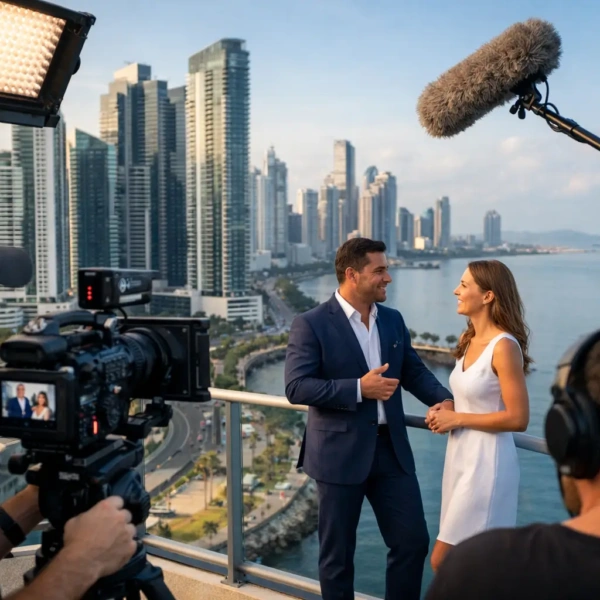

A Panama shoot can look simple on a deck and turn complicated by the second production week. The locations are strong, the travel is manageable, and the incentive is attractive, but execution still comes down to the people on the ground. If you want to hire local film crew Panama producers can actually rely on, the real question is not just who is available. It is who can keep your schedule moving, your permits in order, and your budget from drifting.
For international producers, that distinction matters. A local crew is not just labor support. In Panama, the right crew becomes part of your production infrastructure. They help translate the country into a workable shooting environment, from city streets and coastal roads to jungle access, customs coordination, vendor sourcing, and day-to-day problem solving.
Why hire local film crew Panama productions can trust
The fastest way to lose time on an overseas shoot is to assume that good intentions can replace local operating knowledge. Panama is production-friendly, but that does not mean every municipality, permit process, access point, or vendor relationship works the same way.
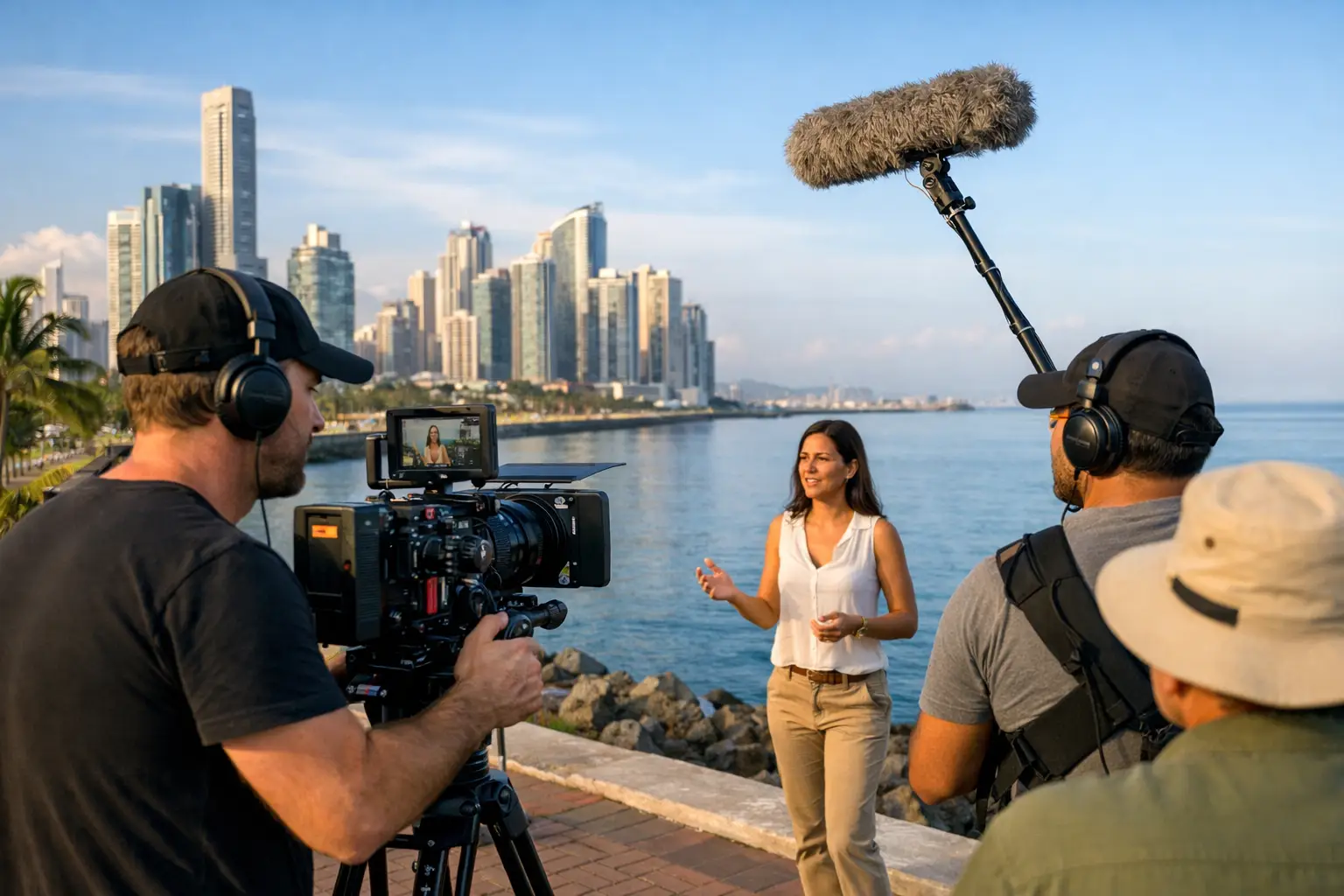
Hiring local crew gives you immediate practical advantage. Your fixer, line producer, production coordinator, AD team, transport captain, and technical department heads know how Panama actually works under production pressure. They know which requests need lead time, which locations are straightforward, which road moves look easy but are not, and how to build a realistic shooting day around climate, traffic, access, and local compliance.
That local knowledge affects both creative ambition and budget control. A scene that appears expensive in another market may be achievable in Panama with the right crew and planning. The reverse is also true. Some concepts need tighter scheduling, permit strategy, or logistics support than an outside team may expect.
What a strong local crew really solves
When foreign producers think about local crew, they often start with crew rates. Rates matter, but they are only one part of the value. The bigger benefit is operational control.
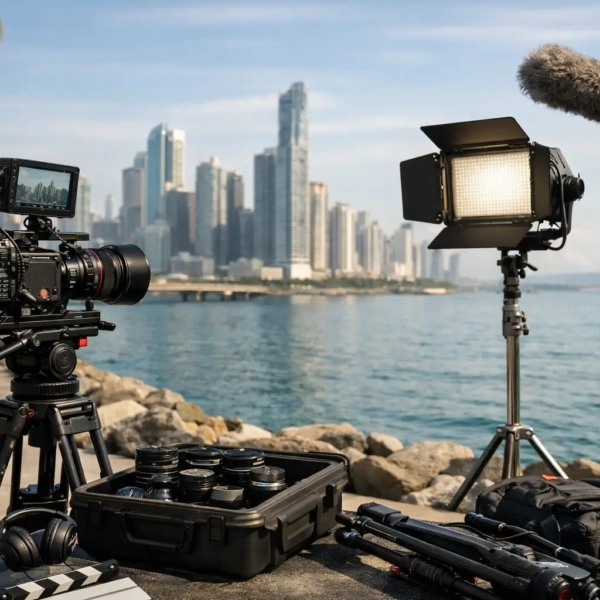
A capable Panama crew can support location scouting, production design sourcing, gear coordination, transportation, lodging flow, call sheet execution, local casting support, and live communication with authorities and vendors. That reduces the amount of guesswork your core team carries into the shoot.
It also reduces risk. Permits, labor practices, releases, police coordination, customs questions, and municipal requirements can create delays when they are handled late or without local context. An experienced local production partner helps keep the production compliant while protecting the pace of the schedule.
That matters even more on commercial and branded projects, where short schedules leave little room for correction. On a three-day spot, losing half a day to preventable local issues is not a minor inconvenience. It can affect the whole job.
Speed is the obvious advantage
If you are flying in agency clients, talent, network teams, or senior producers, every delay is expensive. A local crew that already knows the permit pathways, equipment ecosystem, and location realities can compress prep and respond faster when plans change.
That does not mean every project should be built entirely with local department heads. Sometimes you bring key creative leads from abroad and crew the rest locally. Sometimes you split departments. Sometimes the project needs a local line producer and coordinator first, with a hybrid build after that. The right answer depends on creative sensitivity, technical demands, and budget priorities.
Cost savings are real, but they are not automatic
Panama can be cost-efficient, especially compared with larger production hubs. Skilled local crew helps you take advantage of that. But savings only hold if the production is planned correctly.
Cheap decisions made early can become expensive later. Understaffing local support, misjudging company moves, or treating permit planning as a last-minute item usually costs more than hiring the right team from the start. The best local crews do not simply quote lower. They prevent expensive mistakes.
How to evaluate a local crew in Panama
Not every crew database tells you what you need to know. Credits matter, but so do responsiveness, bilingual communication, problem-solving ability, and production service depth.
If you are looking to hire local film crew Panama teams for a commercial, series, feature, or unscripted production, evaluate them on executional readiness. Can they support permits and location access, or are they only filling labor positions? Can they build a realistic local budget? Do they know how to coordinate incentives, legal requirements, and customs logistics alongside the shoot itself? Have they worked with international producers who need reporting, speed, and accountability?
A strong local partner should be able to speak clearly about crew availability, regional access, turnaround expectations, weather considerations, transport realities, and the trade-offs between locations. They should also be honest when a plan needs adjustment. That is a good sign, not a red flag.
Panama rewards producers who plan locally
One of Panama’s biggest strengths is range. In a relatively compact geography, you can access modern urban backdrops, colonial architecture, beaches, rainforest, islands, industrial zones, highways, and remote natural environments. That variety is a major reason producers come here.
But variety only helps if your production can move through it efficiently. A local crew knows when two locations that look close on a map are not practical in the same day. They know when rain patterns affect a region, when marine transport changes your timing, and when a location scout needs municipal follow-up before it becomes shoot-ready.
This is also where local service support becomes more valuable than simple crew booking. Crew alone cannot solve everything. International productions usually need a coordinated local structure that includes permits, transportation, equipment planning, legal guidance, accommodations, customs handling, and on-site management.
Incentives and compliance need local oversight
Panama’s 25% cash rebate is one of the market’s most compelling production advantages. It can materially improve the economics of a qualifying shoot. But incentives are only useful when the production is documented and managed correctly.
This is another reason to hire local support early. A production partner with real in-country experience can help align your spend, paperwork, vendors, and process with the requirements that matter. Waiting until after prep is underway can limit your options or create avoidable administrative pressure.
The same principle applies to permits and legal compliance. International teams often focus first on locations and crew, then circle back to paperwork. In practice, those things need to be developed together. The local team should guide that process from the beginning.
The best setup is usually hybrid
For many foreign productions, the most efficient model is a hybrid crew structure. Bring the key creatives or client-facing roles you need. Build the rest with experienced local departments and local production management.
That approach preserves creative control while giving you real on-the-ground strength. It is often the best balance for commercials, factual TV, branded content, music videos, and features working under budget pressure. You avoid unnecessary travel costs, reduce freight demands, and gain a team that already understands the local operating environment.
A company like 40 Grados Producciones is built around exactly that need – helping international productions land with a workable local system instead of trying to assemble one piece by piece after arrival.
What to ask before you book
Before you commit, ask direct questions. Who is managing permits? Who is building local crew calls? Who handles location agreements, customs coordination, transport logistics, and vendor payment flow? If weather changes the day, who can rework the plan without slowing the production down?
Those questions reveal whether you are hiring labor or securing a production partner. For overseas shoots, that difference is significant.
The right local crew in Panama should make your shoot feel controlled, not improvised. They should know the country, understand international production expectations, and keep the work moving without drama. If your schedule matters, your budget matters, and your team needs reliable execution, local support is not an add-on. It is part of the production plan from day one.
The smartest Panama shoots are not the ones that arrive with the biggest footprint. They are the ones that arrive with the right local team already in place.