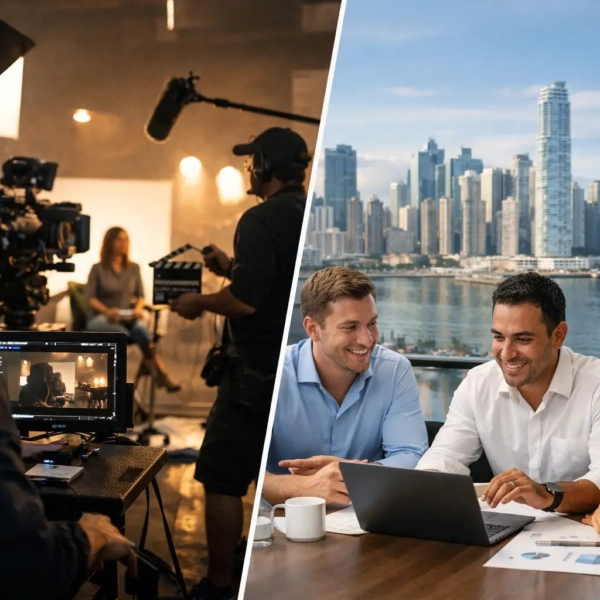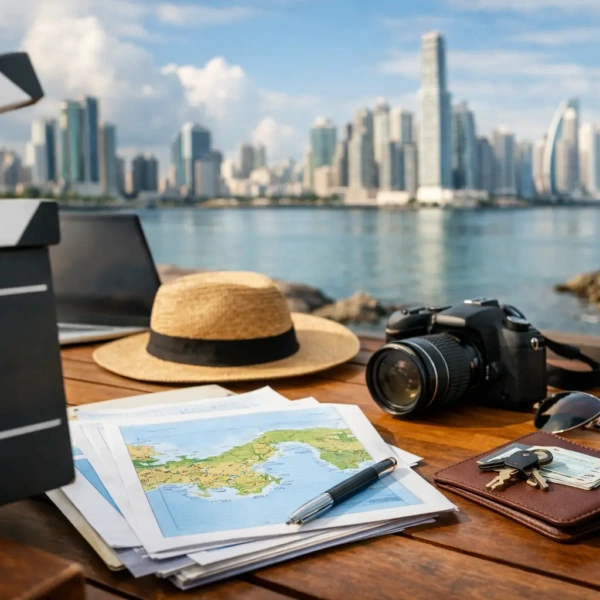

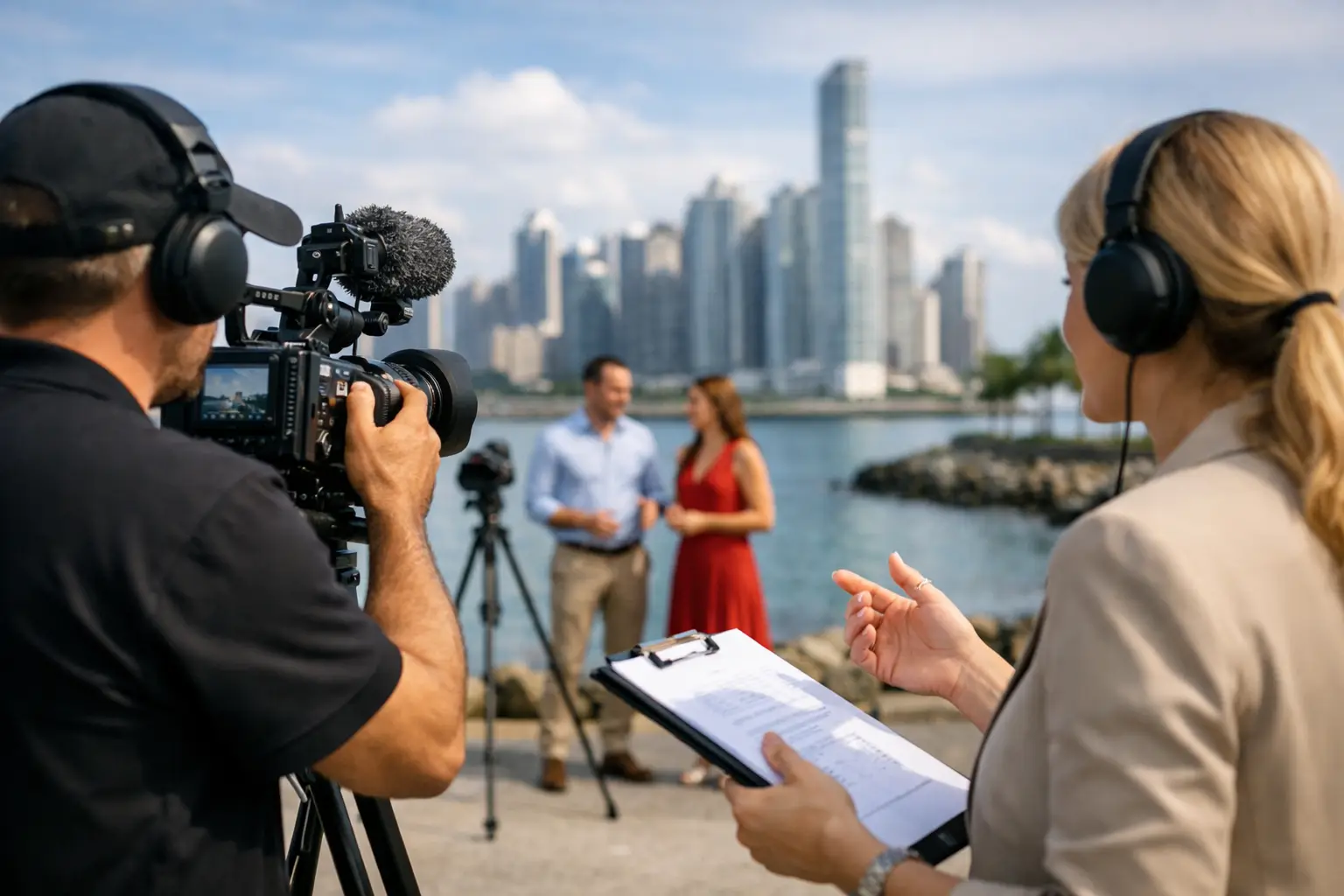
A missed permit window can cost more than a weather day. That is usually the first thing producers learn when asking how to shoot in Panama. The country can be fast, visually diverse, and cost-efficient, but only if the production is built correctly from the start. Panama works well for international shoots because it offers real infrastructure, experienced crew, strong location variety, and a 25% cash rebate for qualifying productions. It does not work well when teams assume they can land, improvise, and sort out compliance later.
For foreign producers, the real job is not just finding a great beach, skyline, jungle road, or colonial street. It is building a production plan that connects permits, local crew, customs, transportation, lodging, legal paperwork, and schedule reality. If those pieces are aligned early, Panama can move smoothly. If they are not, even a simple commercial can become more expensive than expected.
How to shoot in Panama starts with production setup
The fastest way to lose time is to treat Panama like a plug-and-play destination. It is production-friendly, but every project still needs a local strategy. Before locking dates, define the scope clearly: shooting days, unit size, gear package, drone needs, cast travel, location type, road control, marine access, and whether the project intends to qualify for the national rebate.
That early definition matters because permit timelines, municipal approvals, and logistics all depend on what you are actually shooting. A stills crew with a handheld package moves differently than a scripted unit with picture vehicles and traffic control. Reality television has different needs than branded content. A music video may move quickly, but if it includes public locations, choreography, or specialty equipment, approvals still need to be handled properly.
This is also the stage where budget assumptions should be tested against local reality. Panama can be very competitive compared with larger production hubs, especially when you factor in crew rates, travel efficiency inside the country, and access to multiple looks without crossing borders. But costs still shift based on distance, access, weather coverage, marine transport, or overnight holds. Good prep protects the budget more than aggressive line trimming later.
Permits and compliance are where productions get exposed
If you want the practical answer to how to shoot in Panama, it is this: get the permitting path right before creative momentum outruns operations. Public space filming, restricted areas, aerial work, government-controlled locations, and certain commercial activities may all require advance authorization. The exact process depends on the location and the production footprint.
The trade-off is simple. A lightweight crew can often move faster and access more options, but a larger footprint may require broader coordination that adds lead time. That is not a reason to avoid ambition. It is a reason to schedule realistically.
Foreign producers also need to account for legal and administrative compliance. That can include local contracting, insurance considerations, immigration-related coordination depending on the crew structure, and declarations tied to imported equipment. None of this is unusual by international production standards, but it is where informal planning creates risk. A location manager cannot solve a customs issue at the airport. A fixer cannot reverse missing paperwork after a government office closes.
For that reason, the local production partner should be involved before travel is booked, not after. The best shoots in Panama are rarely the ones with the biggest spend. They are the ones that arrive with clean documentation, a permit map, and a schedule built around real local conditions.
Locations are Panama’s advantage, but access varies
One reason international teams choose Panama is range. In a relatively compact production territory, you can access modern city skylines, tropical beaches, islands, rainforest, mountain zones, industrial areas, highways, ports, luxury environments, and historic urban streets. That range can reduce company moves across countries and help a project achieve a bigger visual package on a tighter schedule.
Still, location variety is only useful if access is realistic. Some places photograph beautifully but involve transport delays, weather volatility, permit complexity, or limited basecamp support. Others are highly efficient and production-ready but may require careful timing because of public activity, traffic, or noise. A smart scout is not just about visuals. It is about matching the creative brief to operational reality.
This is where local knowledge saves money. A producer looking for a jungle road, waterfront skyline, or colonial street may have ten possible references. Only a few will fit the actual shot list, crew size, and day plan. The right recommendation is rarely the most obvious tourist image. It is the location that gives production control without compromising the frame.
Local crew and gear support determine your shooting speed
A strong destination becomes truly viable when the local crew base can support international standards. Panama has experienced professionals across production management, camera, lighting, grip, art, location, transportation, and field coordination. That matters because importing an oversized crew drives up travel costs and slows response time on the ground.
For many projects, the best model is a hybrid crew. Key heads may travel with the production, while the local team fills operational roles and helps maintain schedule discipline. This structure usually gives producers better cost control and stronger execution. It also reduces the strain of trying to educate an external team on local rules, road conditions, vendors, and timing.
Equipment strategy depends on the project. Some productions fly in specialty gear and support it locally. Others build a more complete package in-country. The right choice depends on format, risk tolerance, and budget. If the schedule is tight, redundancy planning matters. A package that looks cheaper on paper can become costly if downtime hits and replacements are not built into the plan.
Incentives can materially improve the budget
For many international clients, the financial side is a major reason to consider Panama. The country’s 25% cash rebate can be a serious budget advantage for qualifying productions. But incentives only help if the project is structured correctly from the beginning.
That means producers should not treat the rebate as a last-minute bonus. Eligibility, application timing, spend categories, documentation, and reporting standards all affect whether the incentive is worth pursuing. Some projects are ideal candidates. Others may technically qualify but require an administrative burden that changes the value equation.
This is one of those areas where “it depends” is the honest answer. A larger scripted production, series segment, or commercial campaign with meaningful local spend may see clear upside. A very small or highly fragmented shoot may find that speed and simplicity matter more than chasing every possible rebate dollar. The right call depends on scope, timeline, and accounting discipline.
Logistics make or break the schedule
When producers ask how to shoot in Panama, they often focus on permits first. Fair enough. But logistics are what determine whether the shoot actually feels efficient. Crew transportation, airport handling, hotel selection, unit moves, catering, security, power access, and weather contingencies all shape the day.
Panama has clear advantages here. It is well connected, easy to access internationally, and capable of supporting both urban and remote productions. But that does not mean every move is simple. Rain patterns, traffic windows, island access, and turnaround times need to be planned with precision. A location that looks close on a map may perform very differently once call times, load-ins, and wrap are factored in.
The strongest production plans usually build in practical buffers without letting the schedule sprawl. That balance matters. Too much padding wastes money. Too little creates cascading delays that affect talent, overtime, permit windows, and client confidence.
What international producers should do before locking Panama
Before greenlighting the destination, ask a few direct questions. Can the creative be achieved within the local permit timeline? Is the crew model right-sized? Will the location plan reduce moves rather than add them? Is the production structured to capture the rebate if that is part of the budget? And most importantly, who is controlling execution on the ground?
That last question decides more than most teams expect. A dependable local partner gives you one point of coordination across permits, scouts, crewing, legal support, vendors, and day-to-day production management. That reduces communication gaps and keeps the shoot compliant. For overseas producers, that kind of local infrastructure is usually the difference between a smooth run and a costly learning curve.
40 Grados Producciones supports international productions in exactly that way – as a one-stop production partner built to make filming in Panama efficient, compliant, and cost-effective.
Panama rewards prepared productions. If you approach it with a real production plan, the country offers far more than a good backdrop. It gives you speed, range, and budget leverage in one market, which is exactly what most global content teams need right now.