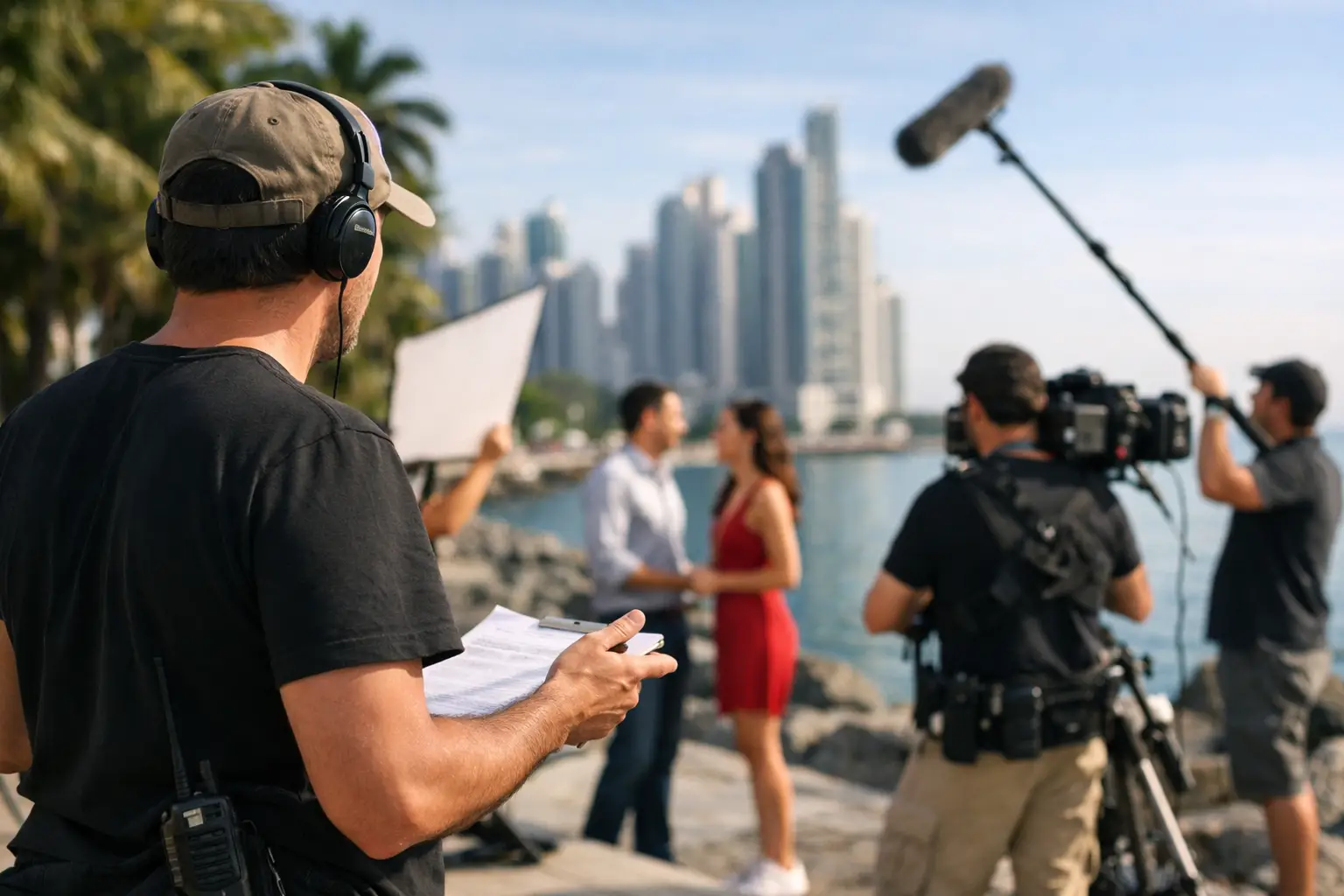
A missed permit can cost a full shoot day. A weak local contact can cost the entire schedule. That is why hiring a production fixer in Panama is not a minor line item – it is often the difference between an efficient production and an expensive scramble.
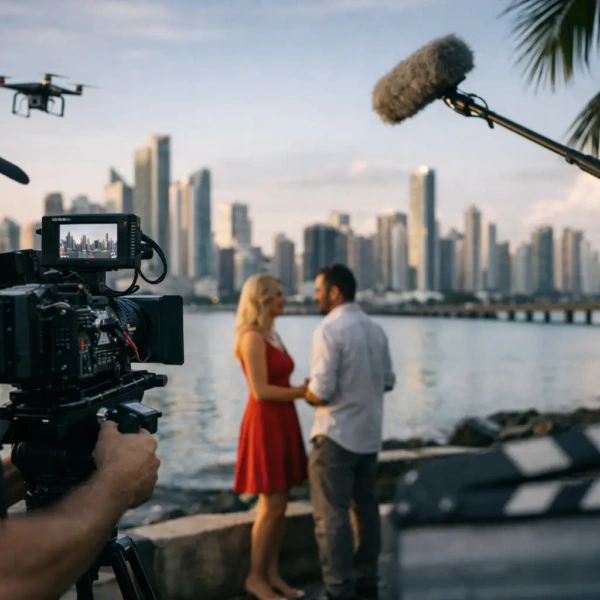
For international producers, Panama is attractive for obvious reasons. The country offers tropical beaches, dense jungle, city skylines, colonial streets, industrial zones, islands, mountain terrain, and strong travel access in a compact geography. Add experienced local crew, competitive costs, and a 25% cash rebate program, and the market becomes even more compelling. But the same factors that make Panama production-friendly also require local execution that is fast, compliant, and well connected.
What a production fixer in Panama actually does
A production fixer in Panama is the on-the-ground problem solver who turns a viable idea into a shootable plan. That role can cover permits, government coordination, location scouting, local casting support, transportation, hotel bookings, customs support, equipment sourcing, crew hiring, call sheet coordination, and day-to-day troubleshooting.
On smaller shoots, the fixer may be the key local operator holding the entire production together. On larger film, television, or commercial projects, the fixer is usually part of a broader production services structure, supporting producers and line producers with local intelligence and execution. Either way, the job is practical. It is about getting answers quickly, avoiding preventable delays, and making sure every moving part works in the local environment.
This matters most when international teams arrive with limited time and little room for uncertainty. Producers do not need a general overview of the country. They need to know whether a drone permit is realistic in the schedule, whether a road closure can be secured, whether a specific location has power access, and whether a backup option exists if weather shifts.
Why Panama requires local production support
Panama is efficient compared with many regional markets, but it is still a foreign production environment. Regulations, municipal processes, institutional approvals, and location access vary depending on the type of shoot and where it takes place. What looks simple from abroad can become complicated once you factor in lead times, language, insurance requirements, local holidays, and site restrictions.
A strong production fixer in Panama helps close that gap before it becomes a budget issue. The value is not only in making calls or translating documents. The real value is judgment. Knowing which requests are routine, which approvals need extra time, and which locations are excellent visually but difficult operationally can save days of rework.
That is especially relevant for productions trying to combine multiple looks in a short window. Panama can double for several types of environments, but efficient routing depends on local planning. A fixer who understands travel times, permitting exposure, weather patterns, and neighborhood access can build a schedule that is realistic instead of optimistic.
The biggest production risks a fixer helps reduce
Most foreign shoots run into trouble in the same places. Paperwork gets underestimated. Vendors are booked too late. Location expectations do not match site conditions. Crew hiring is done without enough local vetting. A production service partner or fixer exists to reduce those risks early, when fixes are still affordable.
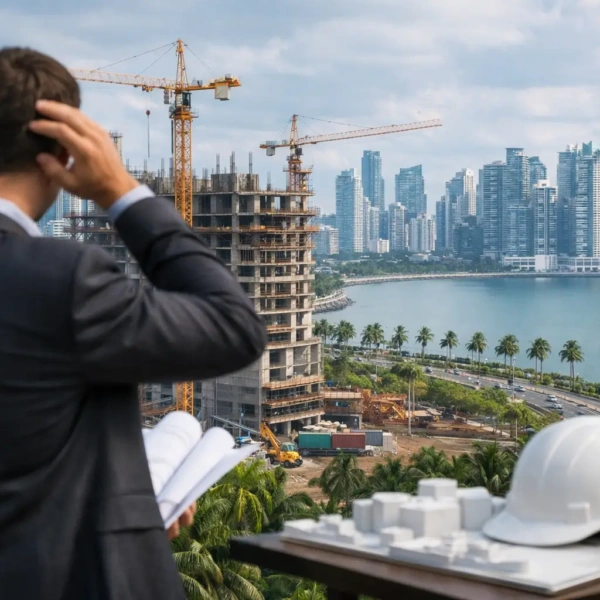
Permits are one obvious area. Not every production needs the same level of approval, and not every authority responds on the same timeline. Some shoots can move quickly. Others need a more structured permit strategy tied to public access, traffic, protected areas, or special equipment. A local fixer helps define what is actually required rather than what a team assumes is required.
Crewing is another major variable. Panama has strong local professionals across camera, grip, electrical, art, wardrobe, production coordination, transport, and field support. But the right fit depends on format, scale, language needs, and pace of work. A reality shoot, a broadcast segment, and a commercial campaign may all require different crew structures. Local knowledge helps avoid overstaffing, understaffing, or hiring based only on availability.
Then there is logistics. Schedules fall apart when transportation is loose, unit moves are underestimated, or gear needs are not matched to the actual terrain and access conditions. Producers usually notice these problems only after the clock starts. An experienced local fixer sees them during prep.
How a production fixer in Panama supports budget control
Budget control is not only about finding the cheapest option. It is about avoiding expensive mistakes while using the country intelligently. A good fixer protects budget by matching the production plan to what Panama can realistically deliver.
Sometimes that means sourcing local crew and equipment instead of flying in a larger team. Sometimes it means consolidating locations to cut company moves. In other cases, it means advising when a location that looks cost-effective on paper will become expensive because of access, power, security, or weather exposure.
Panama’s rebate potential is another reason local support matters. Incentives can improve the financial equation significantly, but only if the production is structured properly and handled in line with program requirements. A fixer or production service company with rebate experience can help producers understand whether a project is likely to qualify, what documentation matters, and how to align local spending and compliance from the start. That guidance is often more valuable in prep than after shooting begins.
Choosing the right fixer for your project
Not every fixer is built for the same type of production. Some are strong for news, documentary, or travel content. Others are better suited to larger scripted, commercial, or unscripted productions that require layered logistics and formal production infrastructure. The right choice depends on your crew size, schedule pressure, format, and compliance needs.
The first question to ask is whether the fixer is operating as a solo field contact or as part of a full production services team. There is no single correct answer. For a lightweight documentary unit, a solo fixer may be enough. For a commercial campaign with permits, agency expectations, imported equipment, and multiple locations, broader support is usually safer.
Ask practical questions. Who handles permits directly? Who builds the budget? Who supervises local crew bookings? Who manages location negotiations? Who stays responsible once the shoot is live? If those answers are vague, the risk usually sits with the producer.
It is also worth testing the fixer’s local depth. Anyone can promise beaches and skyline shots. A more useful partner can tell you which city zones are practical for controlled filming, when traffic becomes a real issue, which regions support back-to-back location days, and what seasonal conditions may affect the schedule.
When a fixer becomes a strategic production partner
The best local support does more than react. It shapes the production plan before money is wasted. That is where the line between a fixer and a production partner starts to matter.
For many international shoots, Panama works best when local support is involved early. Script breakdowns, location strategy, permit planning, crew design, rebate thinking, and equipment decisions all benefit from local review during budgeting and prep. Waiting until travel is booked usually narrows your options.
A company such as 40 Grados Producciones is built around that model. The value is not just local access. It is having one team coordinate permits, locations, logistics, crew, legal guidance, and on-the-ground execution in a way that gives foreign producers better control of schedule and cost.
That one-stop approach is especially useful when the project moves fast or when Panama is one leg of a broader regional production. Fewer handoffs usually mean fewer communication gaps, and fewer communication gaps tend to mean fewer surprises once cameras roll.
Panama is a strong production market – if the local support is right
Panama gives producers a rare combination of visual range, accessibility, cost efficiency, and incentive appeal. But none of that removes the need for disciplined local execution. The faster the shoot and the tighter the budget, the more that matters.
Hiring the right production fixer in Panama is really about buying certainty. Not total certainty – production never works that way – but a much better chance of staying on schedule, staying compliant, and using the country to its full advantage. If you are planning to shoot here, start with the local structure first. The creative usually moves faster once the ground game is solid.