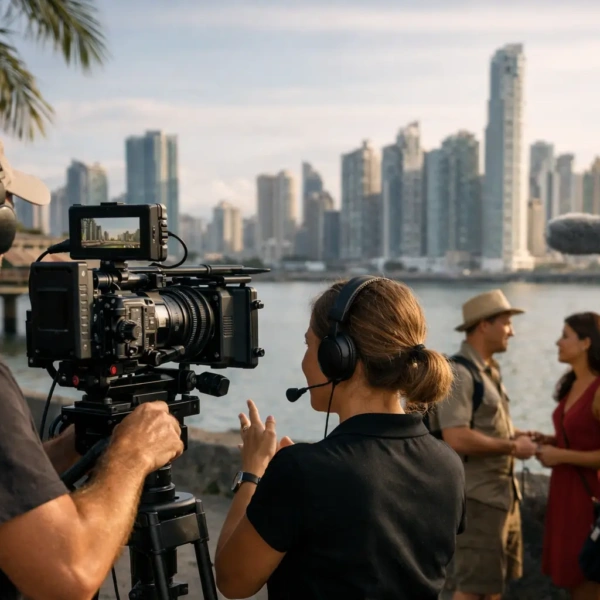
A commercial shoot can fall apart fast when the location looks perfect on a mood board but the permit timeline, crew availability, and logistics do not match the production schedule. That is exactly why producers ask how to film commercials in Panama before they lock creative, budget, or travel. Panama works well for commercial production, but it works best when the production plan is built around local realities from day one.
Why Panama works for commercial production
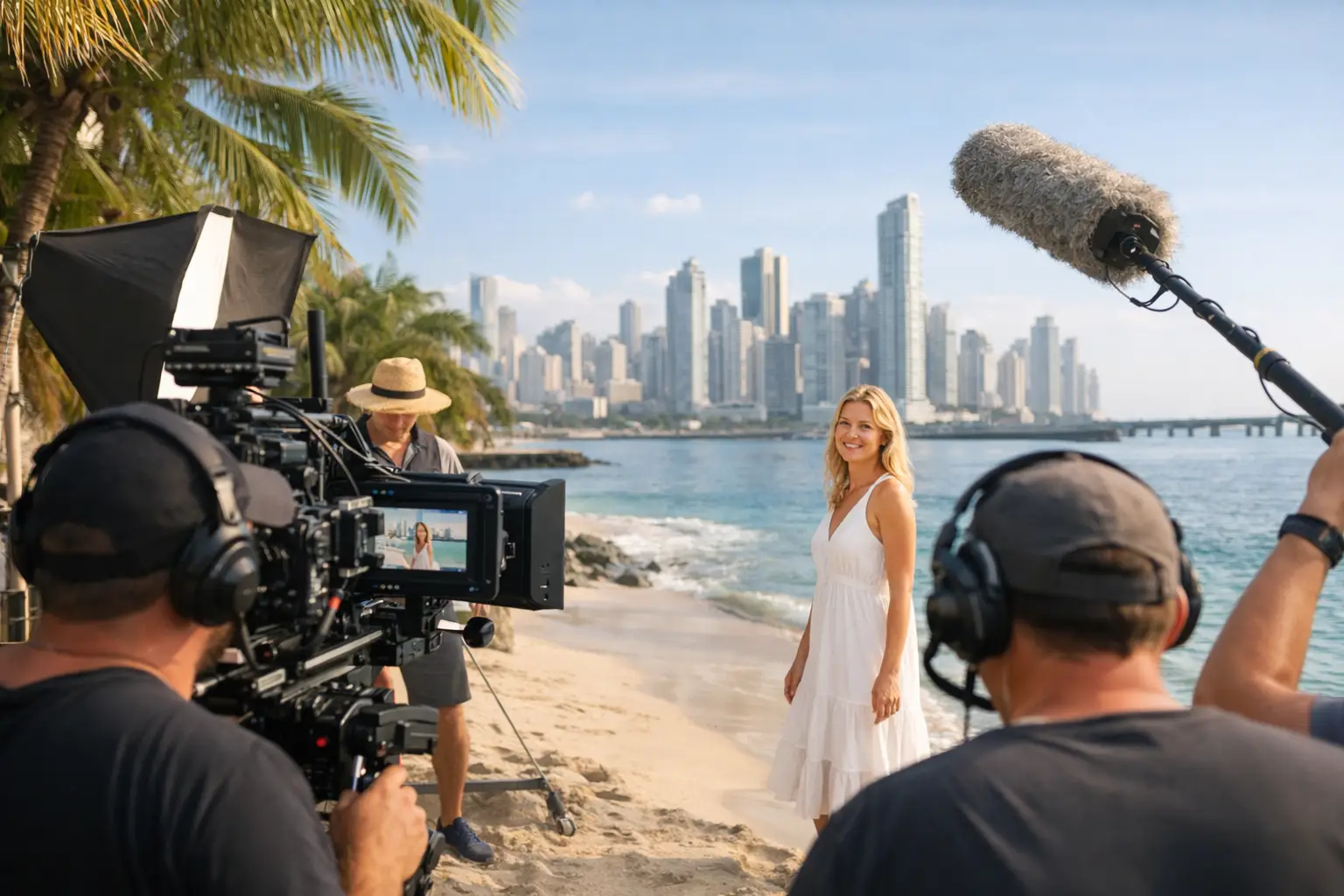
Panama gives commercial producers unusual range in a compact geography. In a short travel window, you can move from modern skyline visuals to colonial streets, tropical beaches, jungle roads, mountain areas, industrial zones, and high-end residential looks. For brands that need multiple visual environments without relocating the entire unit across countries, that matters.
The other advantage is operational. Panama has experienced local crew, established production support, rental options, bilingual coordination, and a business environment that is generally friendly to international shoots. Costs can also compare favorably with larger North American markets, especially when you build the schedule efficiently and avoid unnecessary moves.
For some projects, the 25% cash rebate is part of the appeal. It is not a blanket discount on every commercial, and eligibility depends on the structure of the production and the spend. But for the right project, it can materially improve the financial model.
How to film commercials in Panama without losing time
The simplest answer is this: treat Panama as a professional production market, not a last-minute tropical backup plan. Commercials move quickly, and the margin for error is small. If you want a fast and compliant shoot, you need local production planning before you book flights.
That usually starts with four questions. What are you filming, where do you want to film it, how large is the crew, and what deadlines are fixed? Those answers shape permits, location feasibility, equipment needs, customs planning, local staffing, and transport.
A tabletop beauty spot in a controlled interior is one thing. A moving car commercial on public roads, drone work near sensitive areas, or a branded lifestyle campaign across multiple outdoor locations is another. Panama can handle all of those, but each one has a different approval path and production footprint.
Start with permits and legal clearance
Permits are where many foreign productions either gain control or lose it. Some shoots require straightforward municipal or location authorization. Others involve road management, government approvals, aviation restrictions, maritime coordination, or special access for public spaces and protected areas.
The trade-off is simple. If you under-scope permitting to save prep time, you increase production risk. If you overbuild the process for a small-footprint shoot, you may spend more time and money than necessary. The right approach depends on what is actually happening on camera and how visible the production will be.
Commercial productions also need proper agreements around location use, crew hiring, insurance expectations, release forms, and any imported gear. If the job involves minors, stunts, weapons props, drones, animals, or traffic control, the planning standard needs to go up immediately. This is not glamorous prep, but it is what protects the schedule.
Build around the right locations, not just the best photos
Panama sells itself easily in a location deck. The challenge is not finding attractive options. The challenge is finding the option that works for access, sound, parking, holding, power, control, neighborhood activity, and company moves.
A location that looks ideal online may be difficult for grip trucks, have noise issues during key hours, or require a permit chain that does not fit the timeline. By contrast, a less obvious location may give you better camera angles, easier control, and lower operating costs.
For commercial work, efficiency often matters more than novelty. If the brief needs luxury, tropical lifestyle, urban energy, or authentic Latin American textures, Panama offers all of those. The smart move is to shortlist locations based on production practicality as much as visual value.
Crew, equipment, and on-the-ground execution
One reason Panama is attractive for international producers is that you do not need to import an entire ecosystem to get the job done. The local market supports commercial production with experienced crews across camera, lighting, grip, art, production management, transport, and field coordination.
That does not mean every project should be staffed the same way. Some agencies prefer to travel with key department heads and build around a local base. Others want a mostly local crew with only agency and client leads flying in. Both models can work. The right choice depends on creative complexity, language needs, budget, and how tightly the client wants to supervise execution.
Equipment strategy is similar. For many shoots, sourcing locally keeps customs and freight simpler. For highly specific camera packages, specialty rigs, or branded workflows, partial import may make sense. The decision should be made early because customs timing, carnet requirements, and backup planning can affect the entire schedule.
A reliable local production partner matters most here. This is where call sheets become transport plans, tech scouts become permit confirmations, and creative ambition gets translated into actual shooting conditions. 40 Grados Producciones operates in that space for international teams that need one point of control on the ground.
Plan the schedule around climate and movement
Panama is a strong year-round production destination, but weather planning is not optional. Rain patterns, humidity, heat load, road traffic, and daylight windows all affect commercial scheduling. A sunrise beach setup, a midday city exterior, and a jungle access day each require different timing logic.
This does not mean outdoor shoots are a problem. It means the schedule should include realistic weather contingencies and move plans. A producer who assumes every day can run like a controlled studio day will run into friction quickly.
Traffic is another factor. Distances on a map can look easy, but city congestion and loading conditions can change the actual production day. That is why strong location clustering is often worth more than chasing one extra hero backdrop on the other side of town.
Budgeting for commercials in Panama
Panama is often cost-effective, but low cost should not be the headline. Efficient cost is the real advantage. Producers save money when they reduce unnecessary travel days, avoid permit problems, hire the right local crew, and consolidate locations intelligently.
The budget line items usually include permits, local labor, equipment, locations, transportation, accommodations, security if required, fixers or production management, legal support, and contingency. For some productions, imported gear, customs handling, or marine and aerial coordination can become significant variables.
The cash rebate can improve the equation, but it should be treated as a strategic opportunity rather than a budgeting shortcut. Eligibility, documentation, local spend thresholds, and application requirements need to be reviewed early. If the production is likely to qualify, the paperwork and spend tracking should be built into the workflow from prep onward.
A practical path for international producers
If you are evaluating how to film commercials in Panama, the most effective path is to start with a local feasibility pass before committing to a final production design. That means pressure-testing the concept against locations, permits, weather, logistics, and rebate potential.
Once that is clear, the project usually moves into scout, permit, crew-booking, and equipment planning. Then comes travel coordination, customs if needed, schedule locking, and final execution. This is standard production work, but in a foreign market, the value comes from local speed and accurate information.
Panama rewards producers who plan precisely. It is flexible, visually diverse, and commercially competitive, but it is still a real production environment with regulations, timing constraints, and operational variables. The good news is that when the local groundwork is done properly, shoots move fast and clients see value quickly.
For brands and agencies, that often means more than just a good-looking spot. It means getting multiple looks in one market, controlling production risk, and keeping the shoot compliant without slowing down the creative. That is the real reason Panama stays on the shortlist for international commercial production.
If you are serious about filming here, the best next move is not guessing which beach, skyline, or rebate scenario fits your job. It is getting the production realities mapped before the first booking is made.