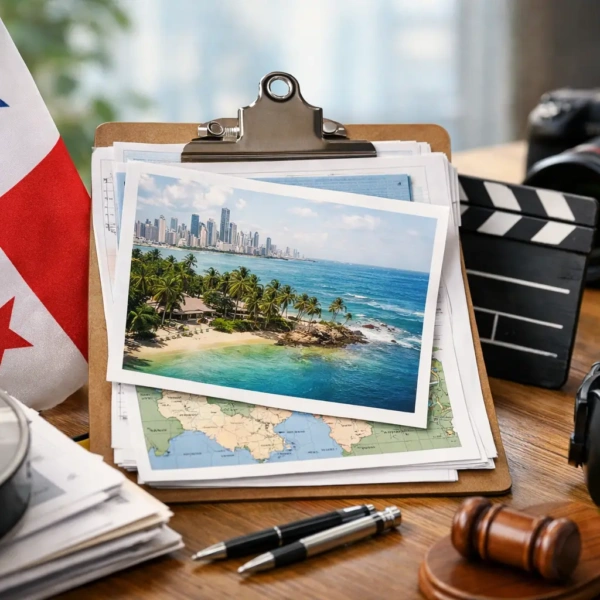

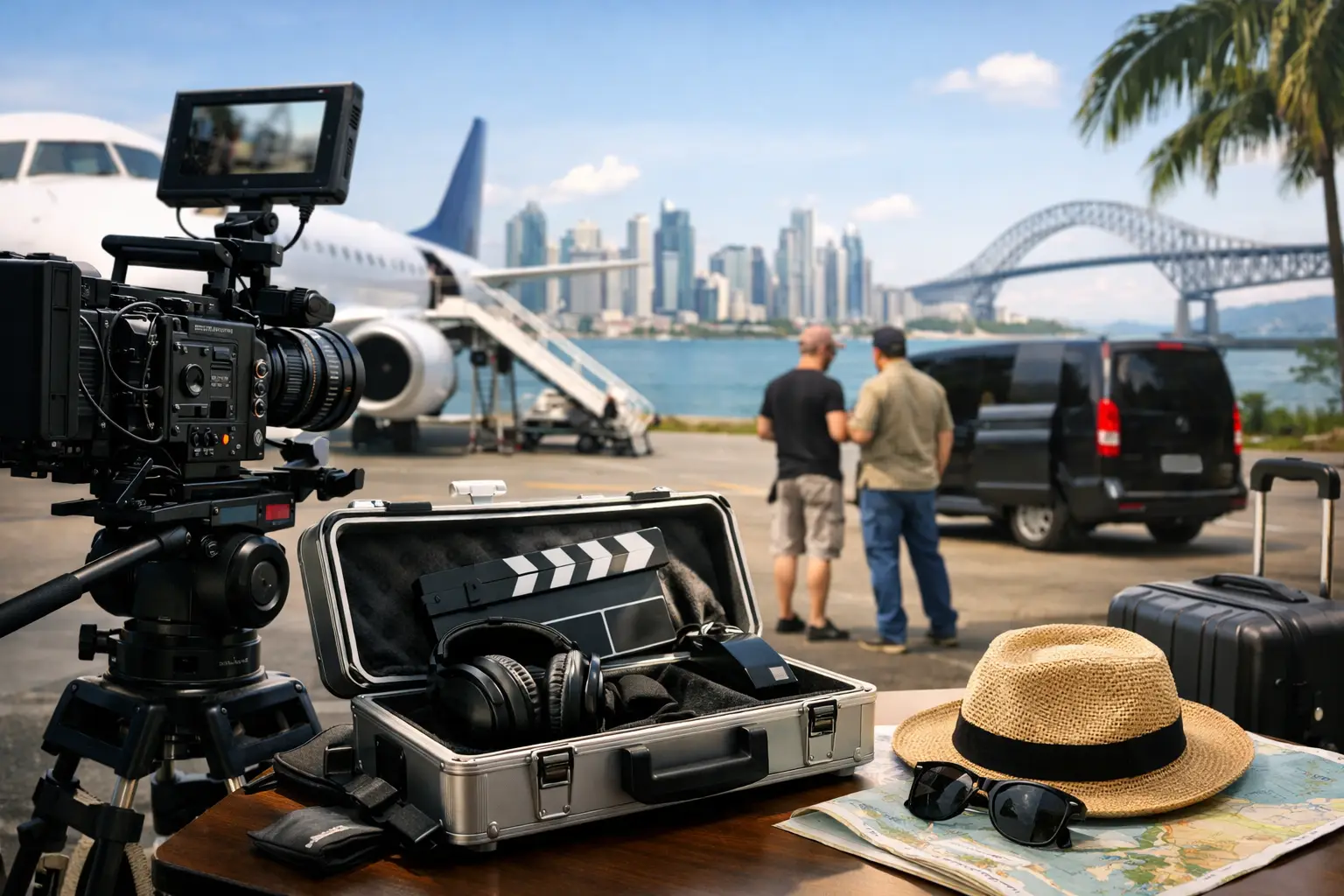
A production can secure the right location, lock a strong local crew, and still lose time on day one if 40 people arrive on different flights without a clear transport, hotel, and document plan. Crew travel logistics Panama is not an administrative afterthought. For international shoots, it is a core part of keeping the call sheet, budget, and production office under control from the moment travelers land.
Panama is highly accessible for productions arriving from the United States, Latin America, and Europe, with Tocumen International Airport serving as the primary gateway. That access is a real advantage, but it does not eliminate the need for coordination. Arrival waves, luggage volume, customs procedures, equipment movements, hotel locations, weather, and shooting geography all affect how efficiently a traveling unit gets to work.
Crew Travel Logistics Panama Starts Before Tickets Are Issued
The best travel plan begins with a crew manifest, not an airfare search. Before booking, confirm each traveler’s role, travel dates, passport nationality, baggage needs, hotel requirements, and whether they will handle equipment, vehicles, sensitive production materials, or client-facing responsibilities. A director flying in for a two-day tech scout needs a different itinerary from a camera department arriving with multiple cases and a six-week shooting schedule.
Build travel around the actual production calendar. International departments often arrive in stages: key creatives and department heads for scouts and prep, technical teams for equipment testing and builds, then the full unit before principal photography. Staggered arrivals can control hotel costs and reduce idle days, but only when the production office has enough local support to receive each group, manage changes, and keep everyone informed.
Flight options also require practical judgment. A lower fare may look attractive until it creates a late-night arrival before a 6:00 a.m. scout, an overnight connection that affects crew readiness, or a missed equipment handoff. For key personnel, the right flight is usually the one that protects prep time and gives the production a recovery window if schedules shift.
Plan for Tocumen and Domestic Connections
Most international crew members arrive through Tocumen International Airport, east of Panama City. Travel time from the airport to central hotel districts can vary considerably with traffic, time of day, and weather. Production schedules should allow for real transfer time, particularly when several international flights land close together or when a unit is moving with large baggage loads.
If the shoot takes place in Bocas del Toro, Boquete, the Darién region, or another destination outside Panama City, domestic connections and overland transfers need their own planning cycle. A connection that works for a small scout team may not work for a larger crew with camera packages, wardrobe trunks, generators, or specialty gear. In remote locations, weather and carrier schedules can affect movement, so the production should avoid building a schedule that has no contingency.
A local production partner can confirm the most efficient routing for each location and coordinate arrivals against the actual needs of the shoot rather than a generic travel template.
Hotels Should Support the Call Sheet
Hotel selection is about more than rate and star level. The property must support the production’s daily operation. For a city-based commercial, that may mean proximity to the production office, client team, restaurants, and key locations. For a feature or reality unit working outside the capital, it may mean reliable early breakfast, parking for production vehicles, secure storage, and enough room inventory to keep departments together.
Room blocks should be negotiated with the likely production pattern in mind. Ask about early check-in for red-eye arrivals, late checkout after night shoots, laundry capacity, luggage storage, meeting space, catering restrictions, and cancellation terms. These details become expensive when handled one room at a time after the unit has arrived.
There is also a trade-off between putting everyone in one hotel and splitting the unit by function. A single hotel simplifies communication, daily transport, and security. Splitting may reduce rates or place certain departments closer to distant locations. The right choice depends on the shooting footprint, crew size, and the frequency of company moves.
Ground Transport Is a Department, Not a Pickup List
Ground movement is where many travel plans become inefficient. Airport pickups, hotel shuttles, scout vehicles, unit vans, executive cars, cargo trucks, and late-night returns should be managed as one transportation operation. A vehicle assigned for an airport arrival may be needed for a location move two hours later. Without a live schedule, double bookings and idle vehicles quickly affect the budget.
Vehicle selection should match the job. Passenger vans may work for a small department, while a larger unit may need coaches, multiple vans, secure cargo capacity, and dedicated drivers familiar with production locations. For shoots involving beaches, jungle roads, mountain areas, or properties with limited access, standard city vehicles may not be suitable.
Panama City traffic can materially change travel times. Call sheets should use tested route estimates, not map-based assumptions made from another country. When possible, schedule crew call times around the movement of the unit, place holding areas close to location, and send technical teams ahead of larger groups. A 30-minute buffer may look conservative on paper, but it can prevent a delayed first setup and an unnecessary overtime conversation.
Documents, Entry Rules, and Equipment Need One Owner
International crew travel includes more than passports and boarding passes. Entry conditions can vary by nationality, length of stay, and purpose of travel. Producers should verify requirements for each traveler well before departure, especially for crews carrying specialized equipment or working on extended schedules.
Equipment requires the same discipline. Camera systems, drones, lighting packages, communications gear, and temporary imports must be documented accurately. The right paperwork and customs strategy depend on the equipment list, ownership, arrival method, and project structure. Last-minute changes to serial numbers or incomplete manifests can create delays that no production wants at the airport.
Drones deserve particular attention. Their use may involve aviation rules, location permissions, operational limitations, and weather considerations. A drone operator should not assume that a permit process from another market applies in Panama. Confirm the plan during prep, then build the approved operating conditions into the schedule.
This is also where production travel overlaps with permits and legal coordination. Crew access, location approvals, filming dates, and equipment movements must tell the same story. When those pieces are handled by separate teams without a shared production calendar, small inconsistencies can become preventable problems.
Design Travel Around the Shoot, Not the Other Way Around
Strong logistics do not mean placing every contingency cost into the budget. They mean identifying where a production is exposed and making informed choices. A studio project with fixed talent windows may justify dedicated airport coordinators, private transport, and extra hotel nights. A lean branded-content shoot may be better served by a compact traveling team, local department hires, and tightly scheduled arrivals.
Panama’s experienced local crew base can reduce the amount of personnel that needs to travel internationally. Bringing only essential creative leadership and specialized positions can lower airfare, hotel, per diem, and transport costs while giving the production a crew that understands local vendors, weather patterns, routes, and working conditions. The balance depends on the creative requirements and the production’s preferred department structure.
For qualifying projects, Panama’s 25% cash rebate incentive can also shape planning decisions. Travel, local spend, and service arrangements should be considered early with the production’s legal and accounting teams so documentation supports the project’s incentive strategy. Eligibility and treatment of expenses should always be confirmed for the specific production rather than assumed.
Put a Local Team in Charge of the Moving Parts
The practical value of a local production services company is not simply arranging cars and hotel rooms. It is having one accountable team connecting travel plans to permits, locations, local crew calls, equipment delivery, airport support, and the daily production schedule.
40 Grados Producciones supports international productions with on-the-ground coordination built around how the project will actually operate in Panama. That means anticipating a delayed arrival before it affects a scout, confirming access before the unit is loaded, and adjusting transport when a location schedule changes. These are small operational decisions, but they protect time where it matters most: on set.
Send the crew manifest early, keep one current travel tracker, and let travel decisions follow the production plan. When arrivals, rooms, vehicles, documents, and call times are coordinated from the start, Panama becomes easier to work in and far more productive to shoot in.